
Why Hire Professional Soot & Ash Removal in Alsip, IL?
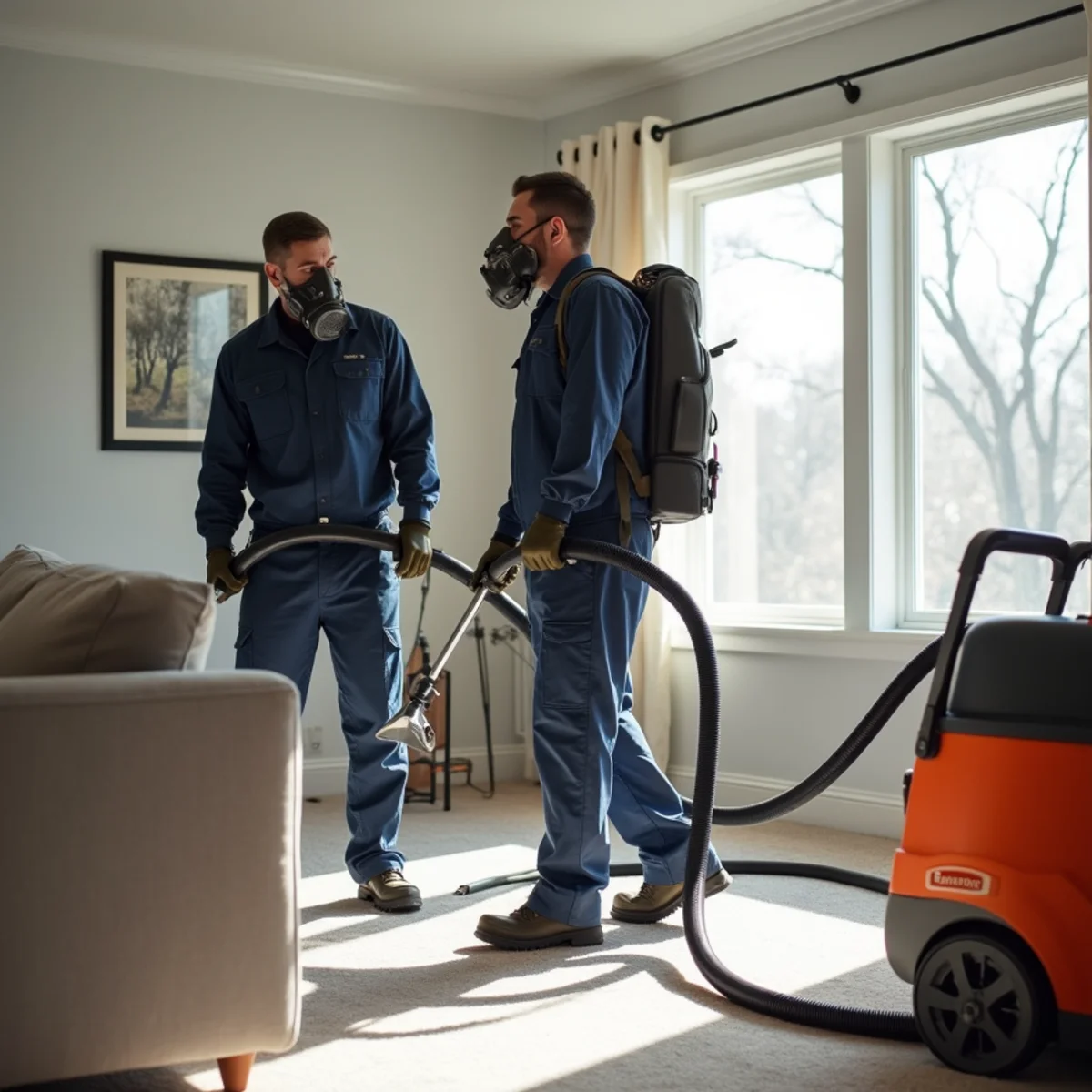
Hiring professional soot and ash removal in Alsip is essential because combustion residue contains microscopic PM2.5 carcinogens and corrosive chemical acids that cause permanent lung injury and etch building finishes within 48 to 72 hours. Certified technicians deploy HEPA negative-air filtration, vulcanized chemical sponges, and IICRC S700 protocols to eliminate hazards safely. Call Sears Park Smoke Damage Experts at (407) 956-1738 for emergency dispatch.
Critical Reasons to Hire Certified Soot Restoration Experts
- Health Safeguards: Prevents inhalation of sub-micron polycyclic aromatic hydrocarbons (PAHs), dioxins, and respirable particulate matter.
- Acid Neutralization: Arrests chemical etching on chrome fixtures, glass windows, polished marble, and porcelain before permanent pitting occurs.
- HEPA Air Containment: Utilizes 99.97% HEPA air scrubbers under negative pressure to prevent cross-contamination into unaffected living quarters.
- Dry Chemical Sponge Technology: Extracts loose dry and wet soot without water or household sprays that permanently drive oily carbon into drywall.
- Contents & Electronics Salvage: Decontaminates delicate textiles, documents, and circuit boards using specialized ultrasonic and hydroxyl processes.
- Insurance-Compliant Scoping: Compiles itemized Xactimate estimates, laser particulate measurements, and photographic proof for swift claim approval.
“Many Cook County homeowners mistake fire ash for regular household dirt and attempt to wipe walls with damp towels or grocery-store degreasers. This is the single costliest mistake in fire recovery. Combustion ash is chemically acidic and carries microscopic carbon agglomerates loaded with hydrochloric acid from burned PVC, sulfur dioxide, and synthetic polymers. Introducing water or standard detergents forms a caustic slurry that immediately bakes deep into the open pores of drywall, latex paint, and unfinished woodwork. Professional decontamination requires dry chemical sponge extraction and specialized alkaline soot neutralizers applied under strict negative air containment within the first 24 to 48 hours.”
The Toxic Anatomy of Combustion Ash: PM2.5, Carcinogens & Heavy Metals
When a residential or commercial structure fire occurs in Alsip, modern construction materials and furnishings undergo complex chemical decomposition. Today's residential interiors are dominated by synthetic products—including polyurethane foam cushions, nylon carpeting, polyvinyl chloride (PVC) plumbing and siding, melamine cabinetry, and flame-retardant electronics. When these petrochemical compounds combust in low-oxygen environments, they release an extraordinarily toxic aerosol of microscopic particulates, volatile chemical vapors, and heavy metal oxides.
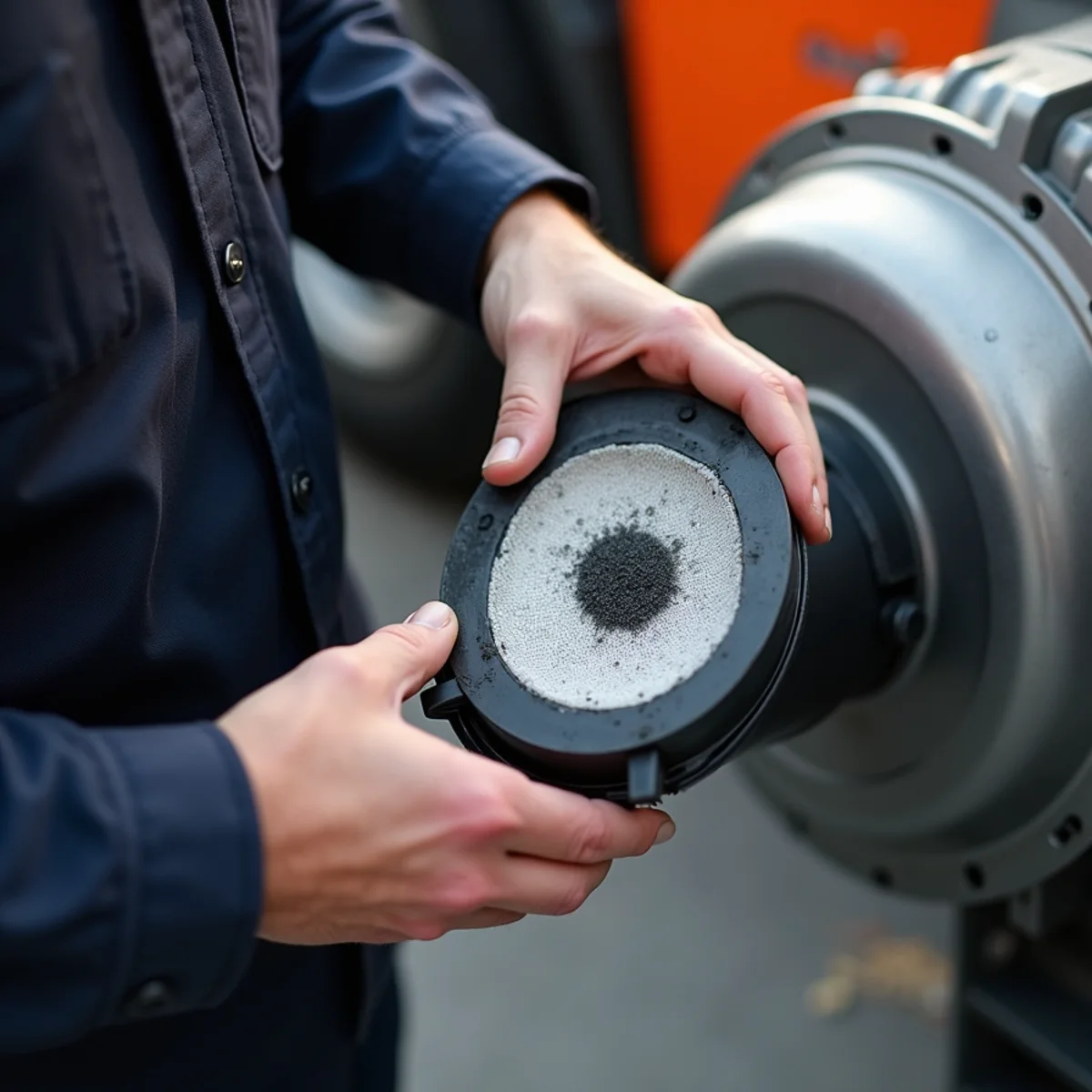
The resulting combustion ash and soot particles measure between 0.1 and 2.5 microns in aerodynamic diameter (PM2.5)—roughly one-thirtieth the width of a single human hair. Because these particles are so minute, ordinary furnace filters and standard household vacuum cleaners cannot trap them; in fact, running a conventional vacuum merely aerosolizes these hazardous compounds throughout your home. When inhaled, PM2.5 particles bypass the natural filtration mechanisms of the upper respiratory tract and penetrate deep into alveolar lung tissues, entering the bloodstream directly.
Furthermore, combustion ash carries dangerous concentrations of polycyclic aromatic hydrocarbons (PAHs), chlorinated dioxins, furans, benzene, formaldehyde, and heavy metals such as lead, cadmium, and arsenic. Prolonged exposure or unprotected cleanup efforts can provoke severe asthma attacks, chronic bronchitis, acute respiratory distress syndrome, and elevated lifetime cancer risks. Certified restoration specialists utilize OSHA-compliant personal protective equipment (PPE)—including full-face tight-fitting elastomeric respirators with P100 HEPA/organic vapor cartridges, chemical-resistant nitrile gloves, and disposable Tyvek containment suits—ensuring hazardous contaminants are systematically neutralized and removed without endangering property occupants.
The 72-Hour Corrosion Clock: How Acidic Soot Destroys Home Finishes
Beyond severe biological hazards, combustion soot initiates an aggressive, time-sensitive chemical attack against structural finishes and residential contents. When synthetic polymers and organic cellulose combust, they generate sulfurous, sulfuric, hydrochloric, and nitric acid vapors. These volatile acids condense directly onto cooler room surfaces, binding with airborne moisture to create corrosive acidic films. The resulting degradation follows a predictable and destructive timeline that restoration professionals refer to as the 72-hour corrosion clock.
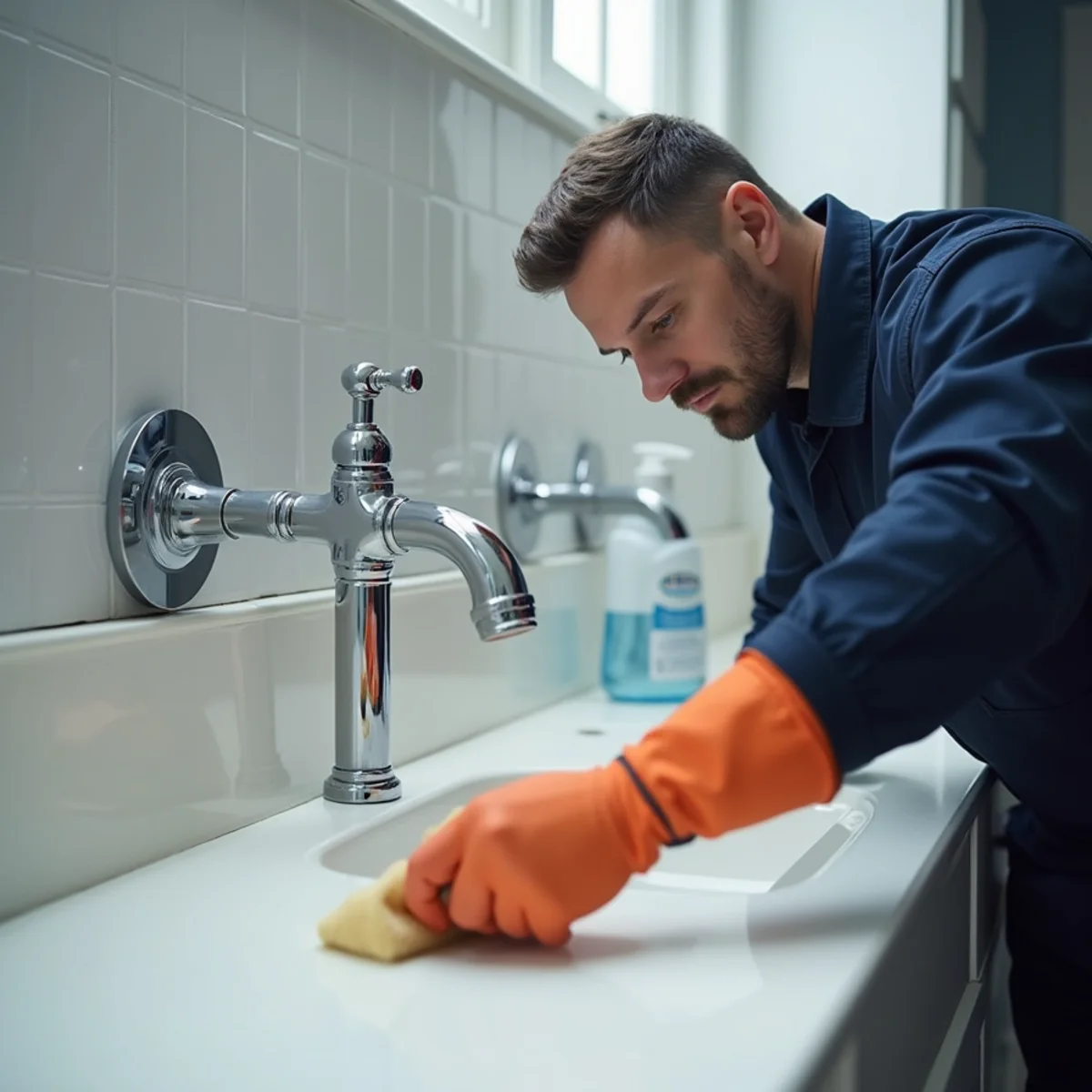
During the initial 0 to 24 hours following a fire, yellowing and light discoloration develop on porous plastics, fiberglass tub surrounds, and acrylic light fixtures. At this early stage, professional dry-chem wiping and alkaline soot counteracting agents can usually reverse the discoloration without structural loss. Between 24 and 48 hours, acidic soot begins chemically etching polished metals. Bathroom faucets, brass door hardware, stainless steel appliances, and copper piping develop microscopic pits and tarnish that cannot be polished away once oxidation deepens.
By 48 to 72 hours, the damage becomes permanent and exponentially more expensive. Glass windows, decorative mirrors, and glazed ceramic tiles suffer irreversible etching as acidic soot attacks silica bonds, leaving a permanent milky haze. Painted drywall and wood trim absorb oily soot agglomerates, necessitating costly structural demolition or heavy encapsulation rather than straightforward surface cleaning. Contacting Sears Park Smoke Damage Experts at (407) 956-1738 within the first hours halts this corrosive degradation. Our certified technicians rapidly stabilize interior finishes, apply corrosion-inhibiting pre-treatments to exposed metal hardware, and execute comprehensive [smoke and soot removal](/smoke-and-soot-removal/) protocols before irreversible material loss occurs.
IICRC S700 Standards: The Professional Methodology That Protects Properties
Professional soot restoration is governed by strict scientific engineering standards established by the Institute of Inspection, Cleaning and Restoration Certification (IICRC), specifically the IICRC S700 Standard for Professional Fire and Smoke Damage Restoration. Certified technicians do not guess or rely on generic retail cleaning chemicals; every step is calculated based on soot typology (dry oxygenated soot, greasy protein residue, wet slow-smolder soot, or synthetic polymer smudge).
The foundational rule of IICRC S700 structural decontamination is that dry soot must be extracted dry before any liquid cleaning agent is introduced. Certified crews utilize specialized vulcanized natural rubber chemical sponges. These non-porous sponges rely on capillary surface tension to lift loose soot agglomerates off painted sheetrock, acoustic ceiling tiles, and wallpaper without applying moisture or pressure that would grind the particles into the substrate. Only after loose surface soot is thoroughly extracted do technicians apply pH-balanced alkaline neutralizers and degreasing agents to address oily residues.
Simultaneously, technicians establish rigorous engineering controls to prevent cross-contamination. Using 6-mil polyethylene sheeting, crews build negative-pressure containment barriers isolating burned zones from clean areas of the home. Industrial commercial air scrubbers equipped with certified multi-stage HEPA filtration (rated at 99.97% efficiency down to 0.3 microns) and activated carbon potassium permanganate adsorption banks run continuously, achieving 4 to 6 full air changes per hour (ACH). This high-velocity negative air scrubbing captures aerosolized soot dislodged during [structural cleaning](/structural-cleaning/) and exhausts purified air outside the structure, safeguarding the health of your family and neighboring properties.
Salvaging Valuables vs. Total Loss: Professional Contents Restoration
When a fire impacts a residence, personal belongings, heirlooms, fine art, textiles, and household furnishings represent substantial financial and emotional value. Without professional intervention, property adjusters frequently designate soot-covered contents as a total loss. However, specialized restoration facilities equipped with cutting-edge contents decontamination technology can salvage an astonishing percentage of seemingly ruined items, saving homeowners from losing irreplaceable treasures.
For hard non-porous and delicate items—such as heirloom china, fine crystal, collectible ceramics, optical glass, and metal ornaments—restoration technicians utilize high-frequency ultrasonic wash tanks. Ultrasonic cleaning generates millions of microscopic cavitation bubbles in an aqueous chemical solution. When these microscopic bubbles implode against submerged objects, they release high-energy acoustic shockwaves that gently dislodge microscopic soot particles from intricate crevices without manual scrubbing or abrasive scratching. Restored items are then rinsed with deionized water and dried in climate-controlled chambers.
Soft goods, draperies, and designer clothing impacted by smoke odor and particulate ash undergo specialized ozone or hydroxyl chamber decontamination before being processed using professional wet-wash or solvent-based dry cleaning. Furthermore, sensitive home electronics, desktop computers, and high-end audio systems contaminated by conductive soot particles are dismounted, cleaned with specialized circuit-safe solvents, and thoroughly tested before re-installation. Homeowners across neighboring communities, including [Robbins](/service-areas/robbins-il/) and [Posen](/service-areas/posen-il/), trust our dedicated technicians for comprehensive [contents cleaning and pack-out](/fire-damage-restoration/contents-cleaning/) services that protect both sentimental memories and insurance claim value.
Insurance Documentation & Claims Maximization with Xactimate Scoping
Navigating a property insurance claim following fire and smoke damage is often one of the most grueling aspects of property recovery. Insurance adjusters require clear, objective, and defensible scientific evidence proving the exact scope of soot contamination and justifying necessary restoration procedures. Attempting to document soot damage independently without professional instrumentation frequently results in underpaid settlements, disputed line items, or outright claim denials.
Certified restoration contractors serve as critical technical advocates during the claims adjustment process. Sears Park Smoke Damage Experts utilizes advanced diagnostic equipment—including optical particle counters that measure ambient PM2.5 and PM10 concentrations, thermal imaging cameras that trace hidden heat and moisture pockets, and digital pH test strips that record surface acidity levels. These objective readings provide undeniable scientific validation of smoke migration throughout the property, establishing that soot has penetrated enclosed wall cavities, ceiling plenums, and mechanical HVAC ductwork far beyond the immediate fire origin.
Our estimators compile all findings into Xactimate—the industry-standard estimating platform utilized by major insurance carriers across North America. Every single itemized line entry—from HEPA negative-air chamber setup to dry-chem sponge labor, ozone deodorization hours, and structural priming with pigmented shellac—is formatted according to standard insurance coding. By delivering comprehensive photographic logs, particulate readings, and transparent itemized estimates, we streamline adjuster approval, eliminate contentious disputes, and ensure your home is restored to pristine pre-loss condition without out-of-pocket settlement shortfalls.
Need Professional Fire Restoration in Alsip?
Our 24/7 emergency response crews mobilize immediately with HEPA scrubbers, thermal foggers, and direct insurance billing.