
Is It Safe to Stay in Your House After a Fire in Alsip?
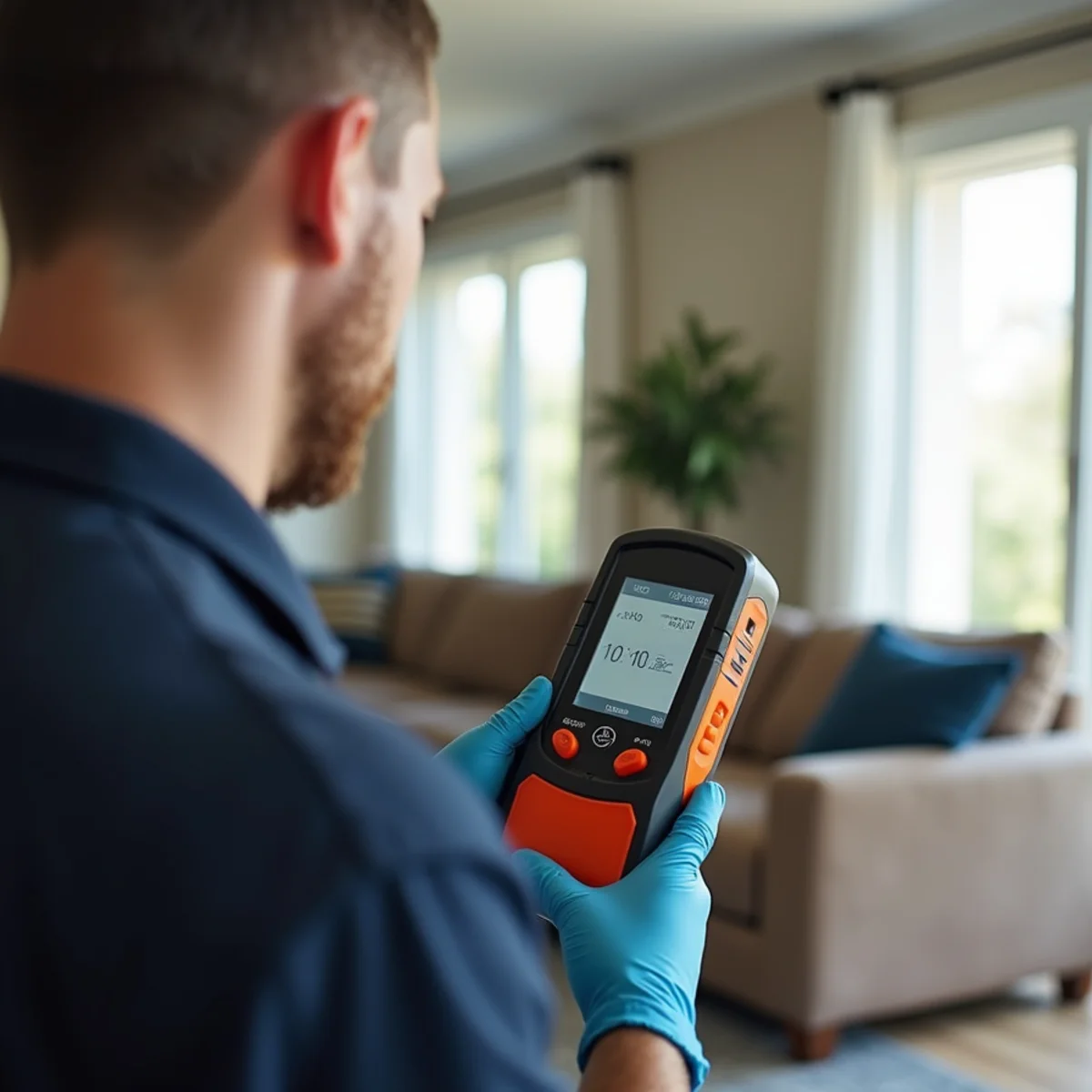
In most situations, remaining inside a home immediately after even a small, contained fire is unsafe. Invisible airborne hazards including respirable particulate matter (PM2.5), volatile organic compounds (VOCs), acidic soot film, and thermal electrical wiring compromises present acute respiratory and safety hazards. Before sleeping in the home, property owners should obtain professional indoor air quality testing and an electrical safety clearance.
Immediate Safety & Habitation Decision Protocol
- Evacuate the home immediately if anyone experiences eye stinging, persistent coughing, throat tightness, nausea, or headache.
- Never sleep in a room with lingering combustion odors; closed-room convection currents concentrate toxic VOCs overnight.
- Shut down central forced-air HVAC systems immediately to avoid drawing microscopic soot particles into clean living areas.
- Schedule a certified thermal imaging and electrical inspection before re-energizing circuits in adjacent walls or ceilings.
- Contact Sears Park Smoke Damage Experts at (407) 956-1738 for emergency air scrubbing and clearance testing.
“Homeowners often assume that because flames were extinguished in a single kitchen skillet or bathroom exhaust fan, the rest of the house remains safe for habitation. During our emergency disaster response operations across Alsip, Worth, and Chicago Ridge, our field technicians routinely detect hazardous concentrations of ultrafine PM2.5 soot particles and synthetic carcinogens in upstairs bedrooms while the ground level appears visually clear. Convective thermal pressure forces combustion byproducts through ceiling penetrations and HVAC runs within minutes of ignition.”
The Invisible Hazards of Lingering Smoke: PM2.5, VOCs, and Toxic Gases
When a fire occurs in a modern home, the combustion process involves far more than natural wood and paper. Contemporary residences are filled with petroleum-derived synthetic materials, including polyurethane foam cushions, nylon carpets, vinyl flooring, plastic appliance housings, and melamine cabinetry. When these synthetic compounds burn under low-oxygen, smoldering conditions, they undergo incomplete pyrolysis, releasing a complex chemical cocktail of hazardous compounds.
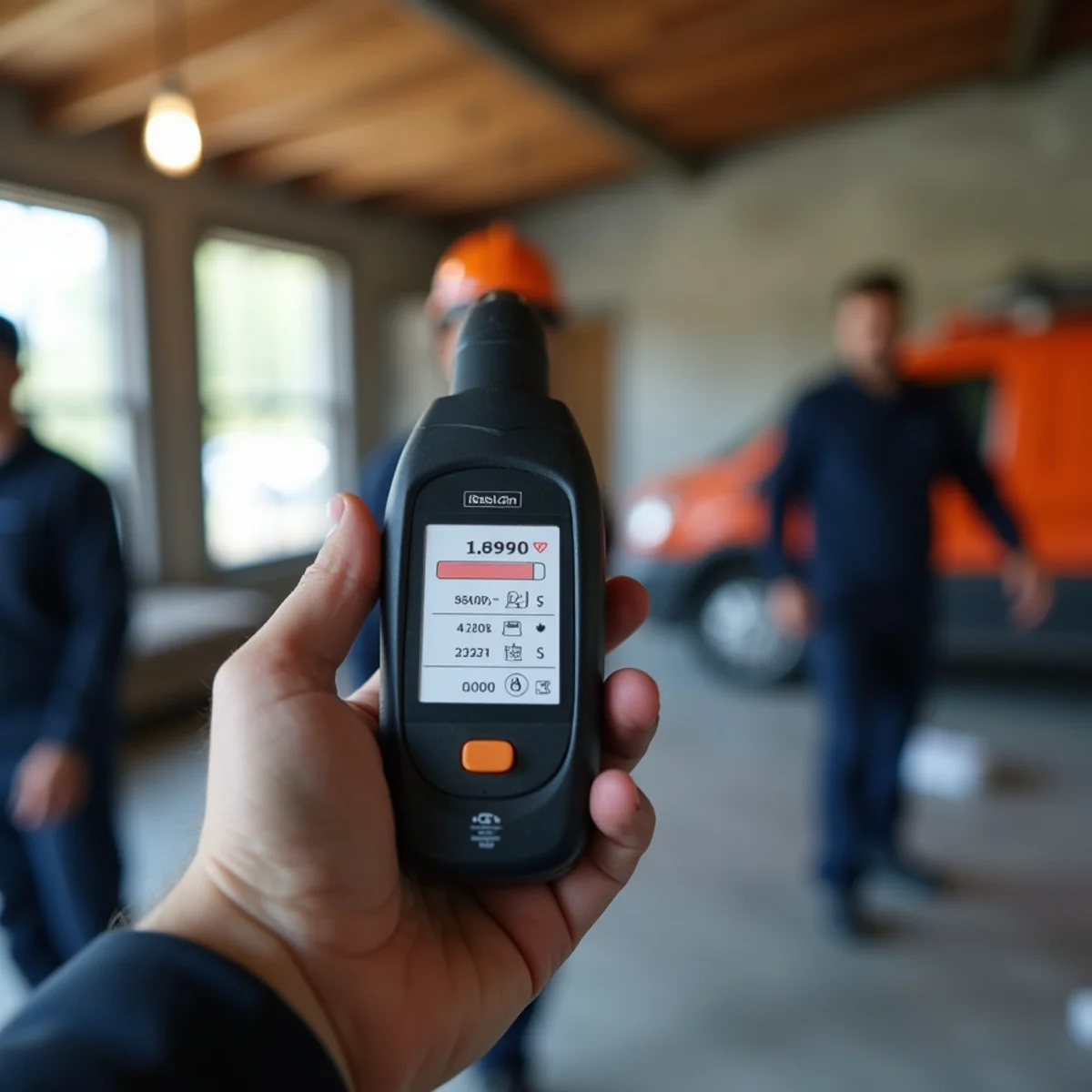
Chief among these airborne threats are respirable fine particulates, commonly classified as PM2.5 (particulate matter smaller than 2.5 microns in aerodynamic diameter). These microscopic carbon particles remain suspended in ambient indoor air for days following a fire. Because of their microscopic size, they easily bypass the body's natural upper respiratory filtration systems, penetrating deeply into pulmonary alveoli and transferring directly into the bloodstream. In addition to physical particulates, synthetic smoke contains elevated levels of volatile organic compounds (VOCs), including benzene, formaldehyde, hydrogen cyanide, and acrolein. Inhaling these toxic combustion gases while sleeping can cause severe respiratory inflammation, exacerbate cardiovascular conditions, trigger severe asthma attacks, and induce persistent neurological headaches.
Even when smoke is no longer visible to the naked eye, acidic chemical film deposits settle onto walls, ceilings, and personal belongings. These corrosive deposits continuously off-gas pungent odors and volatile chemicals into the living space, making long-term exposure dangerous for infants, elderly occupants, and individuals with pre-existing respiratory vulnerabilities. Professional [indoor air quality testing](/indoor-air-quality-testing/) and targeted [smoke and soot removal](/smoke-and-soot-removal/) are essential to verify that airborne particulate levels have returned to safe, habitable baselines before re-occupying the home.
Hidden Structural & Electrical Dangers Behind Walls and Ceilings
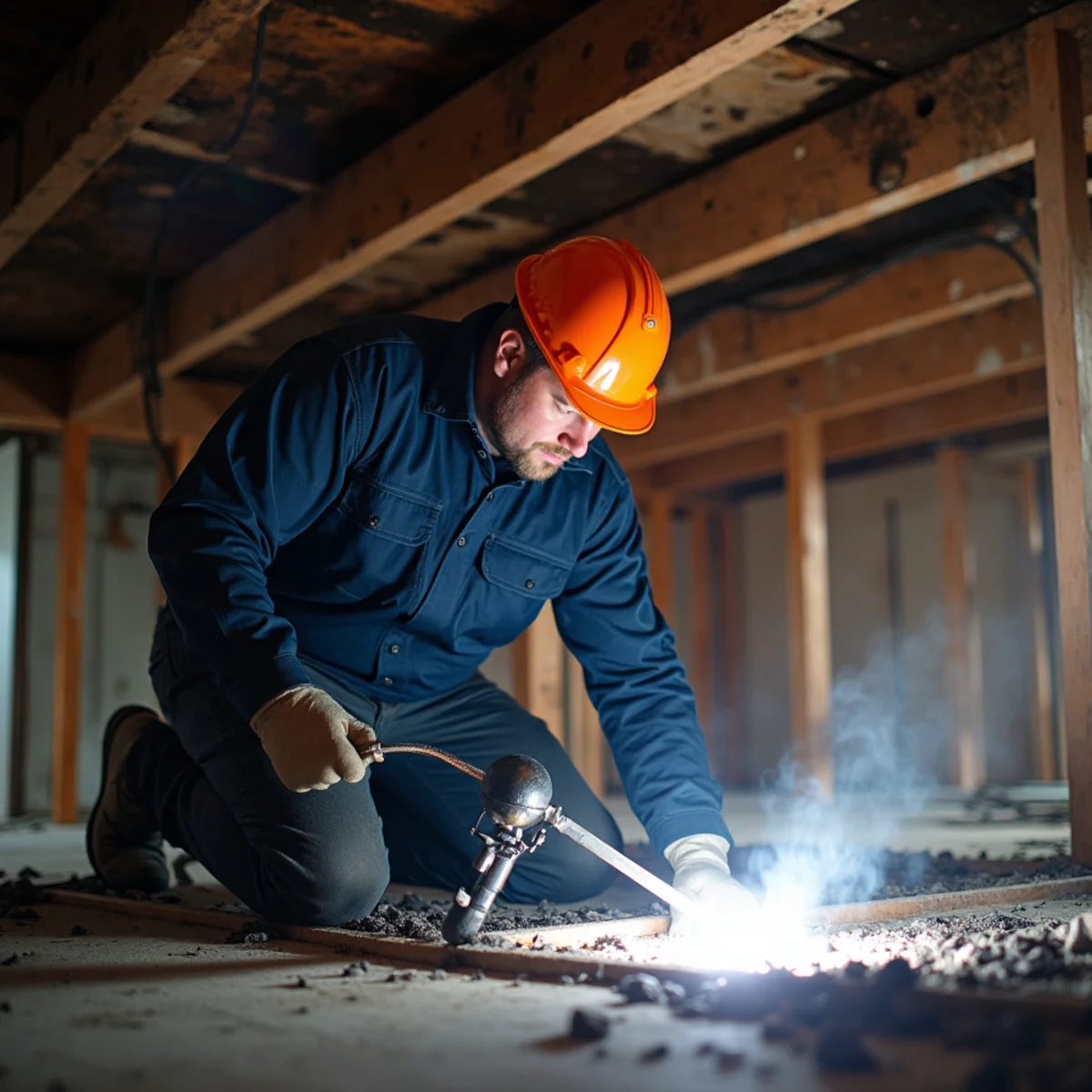
The physical flames of a small fire may appear quickly contained, but the superheated thermal draft generated during the incident poses hidden structural and electrical hazards that are invisible from the living room. Rising heat creates intense convection pressure that forces hot gases into ceiling light fixtures, attic access hatches, wall switch boxes, and interior partition cavities.
Electrical wiring is exceptionally susceptible to thermal degradation. Standard residential Romex wiring features thermoplastic PVC insulation rated for maximum operational temperatures of approximately 194°F (90°C). During a localized kitchen stovetop or electrical appliance fire, surrounding wall cavities frequently reach temperatures exceeding 400°F. This thermal stress softens, cracks, and carbonizes wire insulation inside junction boxes and conduit raceways, creating high-resistance electrical faults that can trigger secondary wall fires hours or even days after the initial incident was extinguished. In older residential neighborhoods across communities like [Worth](/service-areas/worth-il/) and [Chicago Ridge](/service-areas/chicago-ridge-il/), homes built without modern arc-fault circuit interrupters (AFCI) face heightened fire rekindle risks.
In addition to electrical hazards, intense heat can compromise the structural integrity of roof sheathing, timber joists, and engineered truss gusset plates. Structural wood framing subjected to high temperatures undergoes pyrolytic degradation, losing load-bearing capacity even if open charring is minimal. Professional restoration crews deploy FLIR thermal imaging cameras and digital moisture sensors to inspect concealed framing cavities, verifying that no smoldering embers linger behind drywall before clearing the building for safe human presence through thorough [assessment and inspection services](/assessment-and-inspection-services/).
The 5-Factor Habitation Checklist: Deciding Whether to Stay or Relocate
Determining whether your family should remain in the home overnight or seek temporary lodging requires an objective evaluation of five critical life-safety and environmental factors:
1. Airborne Particulate & VOC Levels: If any occupant detects a pungent, chemical, or burnt plastic odor, airborne VOCs and soot particulates remain active. Safe habitation requires zero optical haze, PM2.5 particulate concentrations below 12 µg/m³, and the complete absence of acidic chemical odor.
2. Electrical & Mechanical System Integrity: Have all electrical circuits, outlets, and switches in the affected zone been tested and cleared by a licensed electrician or fire restoration specialist? If breakers have tripped or wiring has been exposed to water and heat, power to affected branch circuits must remain isolated.
3. Forced-Air HVAC Contamination: If your central air conditioner or furnace was operating during or immediately following the fire, smoke particles have entered the supply and return ductwork. Operating a contaminated HVAC system circulates concentrated toxic soot into bedrooms and unaffected living areas, compounding property damage and respiratory risk.
4. Essential Life-Safety & Sanitary Functions: Habitable homes require uninterrupted access to clean running water, functional sanitary plumbing, and uncontaminated food preparation areas. Kitchen surfaces, refrigerators, and pantries exposed to smoke fallout must be thoroughly decontaminated before food can be safely prepared.
5. Insurance Additional Living Expense (ALE) Coverage: Most Illinois homeowners policies (HO-3) provide Loss of Use coverage, which pays for hotel accommodations, meals, and temporary living costs when a home is rendered uninhabitable. Choosing to stay in a compromised home can expose your family to unnecessary health risks when policy provisions already cover alternative lodging.
Professional Environmental Mitigation vs. Dangerous DIY Cleaning Mistakes
When faced with post-fire soot and odors, well-meaning property owners frequently attempt do-it-yourself cleaning with catastrophic results. Spraying over-the-counter air fresheners, applying household degreasers, or wiping soot-stained drywall with wet washcloths drives oily combustion particles deep into the microscopic pores of paint and plaster, setting the stain permanently and trapping volatile odor compounds within the wall assembly.
Professional restoration contractors utilize engineered remediation protocols designed to extract contaminants rather than spread them. Certified restoration teams immediately establish negative air pressure containment using industrial HEPA air scrubbers equipped with three-stage filtration, capturing 99.97% of airborne particles down to 0.3 microns. To decontaminate surfaces without water damage, technicians deploy dry chemical vulcanized rubber sponges that chemically attract and absorb carbon soot from delicate finishes.
To neutralize deep-seated smoke odors that have penetrated subfloors and wall framing, technicians utilize commercial hydroxyl generators. Hydroxyl radicals chemically dismantle odor molecules and VOCs through molecular oxidation without producing toxic ozone byproducts, allowing safe atmospheric decontamination. In severe cases, thermal fogging is applied—vaporizing specialized solvent counteractants into microscopic droplets that mirror the exact penetration behavior of the original smoke, permanently neutralizing odor reservoirs.
Navigating Additional Living Expenses (ALE) and Insurance Authorization
One of the most valuable yet misunderstood components of a standard homeowners insurance policy is Coverage D, commonly known as Additional Living Expenses (ALE) or Loss of Use coverage. This coverage is specifically designed to maintain your household's normal standard of living when an insured peril, such as a fire or severe smoke intrusion, makes your primary residence uninhabitable.
Under Illinois insurance regulations, an adjuster must authorize reasonable ALE costs when environmental testing or physical damage establishes that a home is unsafe or unfit to occupy. Covered expenses typically include temporary hotel or short-term rental housing, restaurant meal allowances exceeding normal grocery budgets, pet boarding fees, and temporary storage for personal belongings. However, insurance carriers require objective documentation to justify ALE payments.
Sears Park Smoke Damage Experts provides direct, comprehensive claim documentation for insurance adjusters across Cook County. Our technicians document digital soot particle counts, capture timestamped photographic evidence of synthetic residue migration, and record detailed moisture maps from firefighting efforts. By presenting clear, standardized Xactimate estimates and environmental reports, we help homeowners secure immediate hotel authorization, eliminating the pressure to remain in a contaminated, hazardous environment.
Need Professional Fire Restoration in Alsip?
Our 24/7 emergency response crews mobilize immediately with HEPA scrubbers, thermal foggers, and direct insurance billing.