
Does Homeowners Insurance Cover Smoke Damage in Illinois?
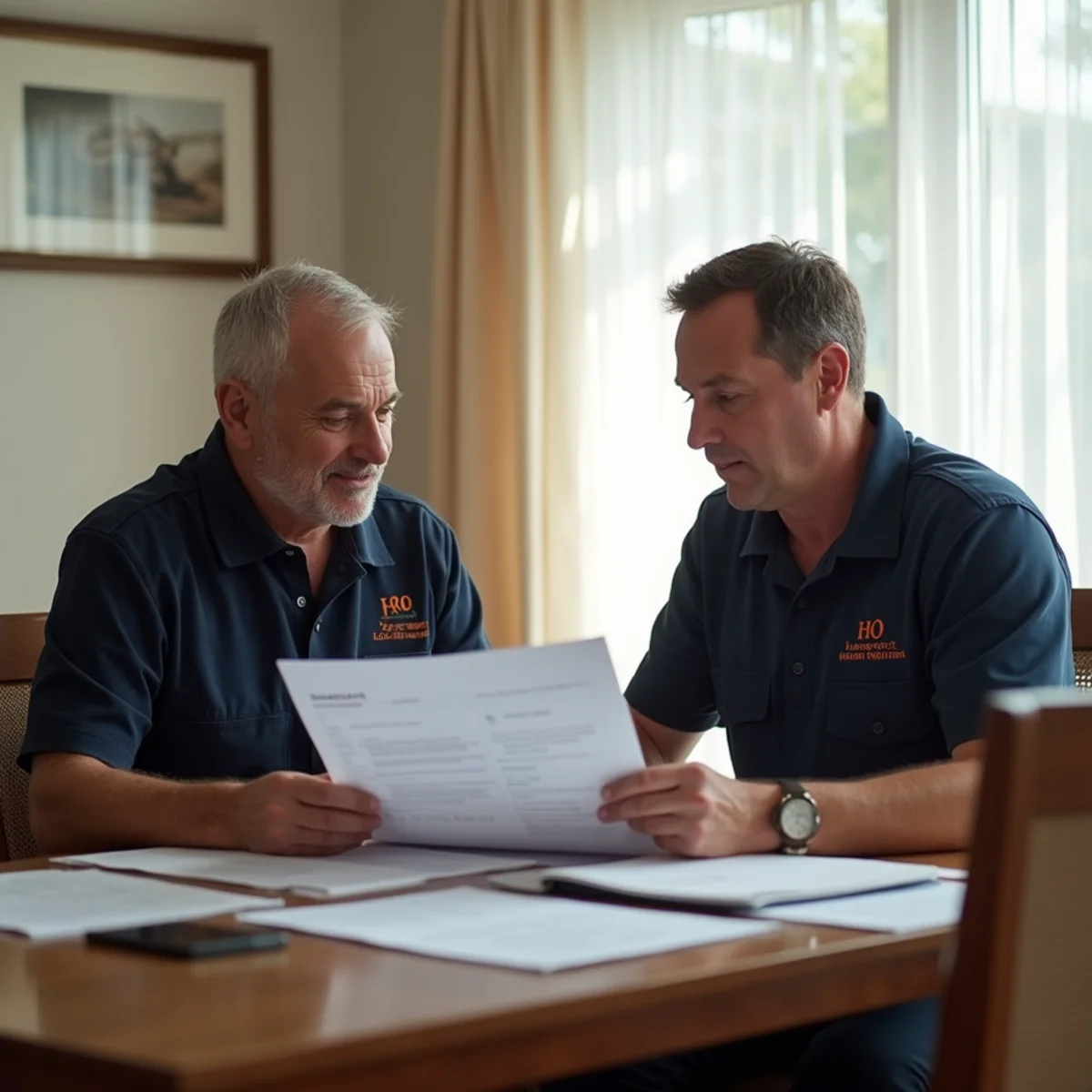
Yes, standard Illinois homeowners insurance policies (HO-3) cover smoke damage caused by sudden and accidental fires—including kitchen fires, furnace puffbacks, electrical flare-ups, and smoke migrating from a neighbor's property. Coverage pays for soot removal, structural cleaning, duct sanitizing, and odor elimination after your deductible. Call Sears Park Smoke Damage Experts at (407) 956-1738 for immediate claim documentation.
What Homeowners Insurance Covers After a Smoke Incident
- Covered: Soot and ash removal from ceilings, walls, cabinetry, and finished surfaces.
- Covered: Thermal fogging, hydroxyl deodorization, and vapor-barrier sealers to eliminate odor.
- Covered: HVAC forced-air duct system cleaning and filter/coil sanitization.
- Covered: Soft contents cleaning (clothing, upholstery, curtains, and linens) through dry cleaning.
- Covered: Smoke migration from neighboring property fires or municipal wildfires.
- Excluded: Gradual buildup from long-term indoor tobacco or fireplace maintenance neglect.
“Many homeowners in Alsip assume that insurance only pays if there are open flames and charred wood. In truth, over 60% of our insurance restoration claims involve pure smoke and soot without active structural combustion—such as furnace puffbacks or heavy smoke drafted through shared walls from a neighbor's fire. The key is proving the damage was sudden and accidental rather than gradual wear and tear.”
The HO-3 Policy Framework: Named Perils and Smoke Damage in Illinois
For homeowners across Alsip and Cook County, navigating an insurance policy after a smoke disaster can feel intimidating. Under standard ISO HO-3 homeowners insurance policies—the most prevalent policy type in Illinois—**smoke** is an explicitly named peril. This means that direct physical loss resulting from smoke is covered, regardless of whether open flames breached your walls or if the combustion source was located elsewhere.
Under Illinois insurance statutes, the critical legal standard is that the incident must be **"sudden and accidental."** When an unexpected kitchen flare-up, electrical short circuit, or heating appliance misfire deposits oily particulate matter across your living areas, it satisfies the sudden and accidental criteria. Conversely, gradual discoloration resulting from years of fireplace draft seepage, indoor tobacco use, or neglected candle burning is considered maintenance neglect and is excluded from coverage.
Furthermore, Illinois courts recognize that "direct physical loss" encompasses microscopic particulate contamination. Even if a wall appears structurally sound, if it is impregnated with acidic combustion byproducts or volatile organic compounds that emit caustic odors and threaten indoor air quality, the property has suffered legally compensable physical damage requiring professional remediation.

Surprising Scenarios Covered: Neighbor Fires, Puffbacks & Electrical Arcing
Many homeowners hesitate to file an insurance claim because they believe coverage applies only if their own home caught fire. In reality, standard policies protect against several common non-flame soot events:
* **Smoke from Neighboring Properties:** In densely populated Cook County communities like [Evergreen Park](/service-areas/evergreen-park-il/) and [Oak Lawn](/service-areas/oak-lawn-il/), detached single-family homes and townhomes sit in close proximity. If an adjacent house or garage suffers a fire, thermal drafting and prevailing winds often push massive clouds of dense smoke through your attic soffits, open windows, and AC intakes. You file the claim directly with your own insurance company, which subsequently recovers your deductible through subrogation against the neighbor's carrier.
* **Oil and Gas Furnace Puffbacks:** During seasonal startup, a misfire in your burner chamber can cause an explosive ignition of vaporized fuel oil or gas, blasting a dense cloud of black, greasy soot through every supply register in your home. Puffback damage is 100% covered under standard property insurance, including required duct cleaning and room-by-room wall washing.
* **Electrical Arcing and Overheated Appliances:** When an appliance motor burns out or electrical wiring arcs inside an outlet box without generating open flames, the melting synthetic insulation produces caustic hydrochloric acid smoke. Professional restoration for these scenarios is fully covered under our [smoke damage repair and cleanup](/repair-and-cleanup/) protocols.
Structural Restoration vs. Contents Coverage: Split Policy Limits
When your insurer opens a smoke damage claim, coverage is bifurcated into two separate categories, each with its own limit and valuation rules:
1. **Coverage A: Dwelling Structure:** This pays for the physical building itself—drywall, ceilings, baseboards, built-in cabinetry, insulation, flooring, and the HVAC distribution system. If drywall must be washed, encapsulated with pigmented shellac, or cut out and replaced, these costs draw against your Coverage A limit.
2. **Coverage C: Personal Property (Contents):** This pays for your movable belongings—couches, dining sets, mattresses, clothing, electronics, artwork, and pantry supplies. Depending on the level of contamination, items are either professionally cleaned using specialized restoration dry cleaning (ozone chambers and ultrasonic baths) or declared a total loss.
Pay close attention to whether your policy provides **Replacement Cost Value (RCV)** or **Actual Cash Value (ACV)**. With RCV coverage, the insurer initially pays the depreciated ACV amount. Once our restoration team completes the cleaning or you replace total-loss personal items, your contractor submits proof of completion to release the "recoverable depreciation" holdback. Explore our end-to-end guidance on [fire damage insurance claims](/fire-damage-insurance-claims/).
The Odor Dispute: Proving Lingering Smell is Direct Physical Damage
The single most contentious friction point between homeowners and insurance adjusters is **smoke odor remediation**. After a field adjuster visually inspects a property, they may approve basic surface wiping with generic sponges, arguing that visible soot is gone and the claim should be closed. However, weeks later, the pungent, acrid smell of burnt plastic and protein permeates the home every time the temperature climbs.
Soot particles measure between 0.1 and 2.5 microns—small enough to penetrate deeply into the microscopic pores of gypsum drywall, unsealed subflooring, and structural timber. When outdoor humidity fluctuates, these trapped compounds off-gas volatile organic compounds directly into your breathing zone.
Sears Park Smoke Damage Experts defends policyholders against premature claim closures. Following the IICRC S700 Standard for Professional Fire and Smoke Damage Restoration, we demonstrate that persistent odor represents ongoing chemical contamination. We establish line items in Xactimate for multi-stage [smoke odor deodorization](/smoke-odor-deodorization/), including commercial hydroxyl generation, thermal fogging with solvent-based odor counteractants, and the complete application of odor-barrier shellac primers across all exposed substrates.
Step-by-Step Guide to Filing a Smoke Damage Claim in Cook County
To ensure your smoke damage claim is processed quickly and paid in full, execute these five proven steps:
* **Step 1: Contact Your Insurer Immediately:** Call your insurer's 24/7 hotline within hours of the incident. Secure your official claim number and the name and contact details of your assigned claims adjuster.
* **Step 2: Fulfill Your Duty to Mitigate:** Illinois law requires policyholders to prevent secondary destruction. Engage Sears Park Smoke Damage Experts to seal broken windows, tarp roof breaches, and turn off HVAC systems to stop soot circulation.
* **Step 3: Document Before Disturbance:** Take hundreds of high-resolution photos and steady 4K video clips of every room, closet, and crawlspace. Document soot marks on trim, film on window panes, and discoloration on HVAC filters. Never throw away damaged items before the adjuster's inspection.
* **Step 4: Insist on an Itemized Xactimate Estimate:** Do not accept a generic lump-sum settlement offer. Ensure your restoration contractor provides an itemized Xactimate line-item scope that mirrors the adjuster's software, ensuring every necessary cleaning step is approved.
* **Step 5: Review Final Settlement Before Signing Release:** Never sign a final claim release until all restoration work is completed, air quality testing confirms zero airborne contaminants, and you have lived in the property through varying temperature cycles without any returning smoke odors.
Need Professional Fire Restoration in Alsip?
Our 24/7 emergency response crews mobilize immediately with HEPA scrubbers, thermal foggers, and direct insurance billing.