
Fire Damage Restoration Service in Alsip, IL
Local Alsip fire and smoke damage repair when you need it most. Centrally dispatched from 4811 W 123rd St for emergency board-up, structural drying, dry-sponge soot removal, and direct insurance claims coordination across Cook County.
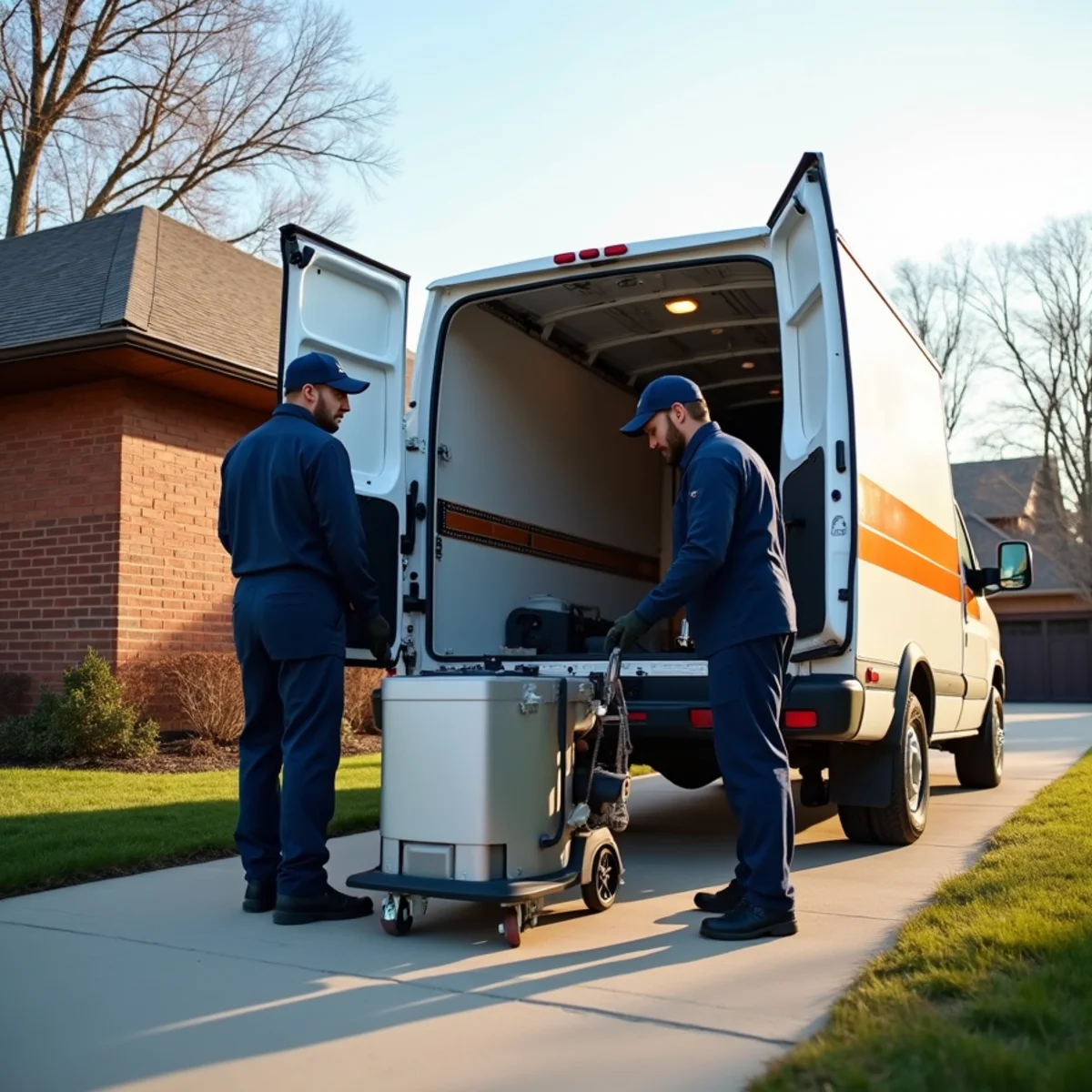
Complete Fire, Smoke & Reconstruction Services
From the initial emergency board-up through soot neutralization, contents pack-out, and complete structural rebuild—one accountable Alsip team manages your entire recovery.
Fire Damage Restoration
Full structural fire cleanup, safety assessment, smoke containment, and complete restoration for residential and commercial properties.
Smoke Damage Repair & Cleanup
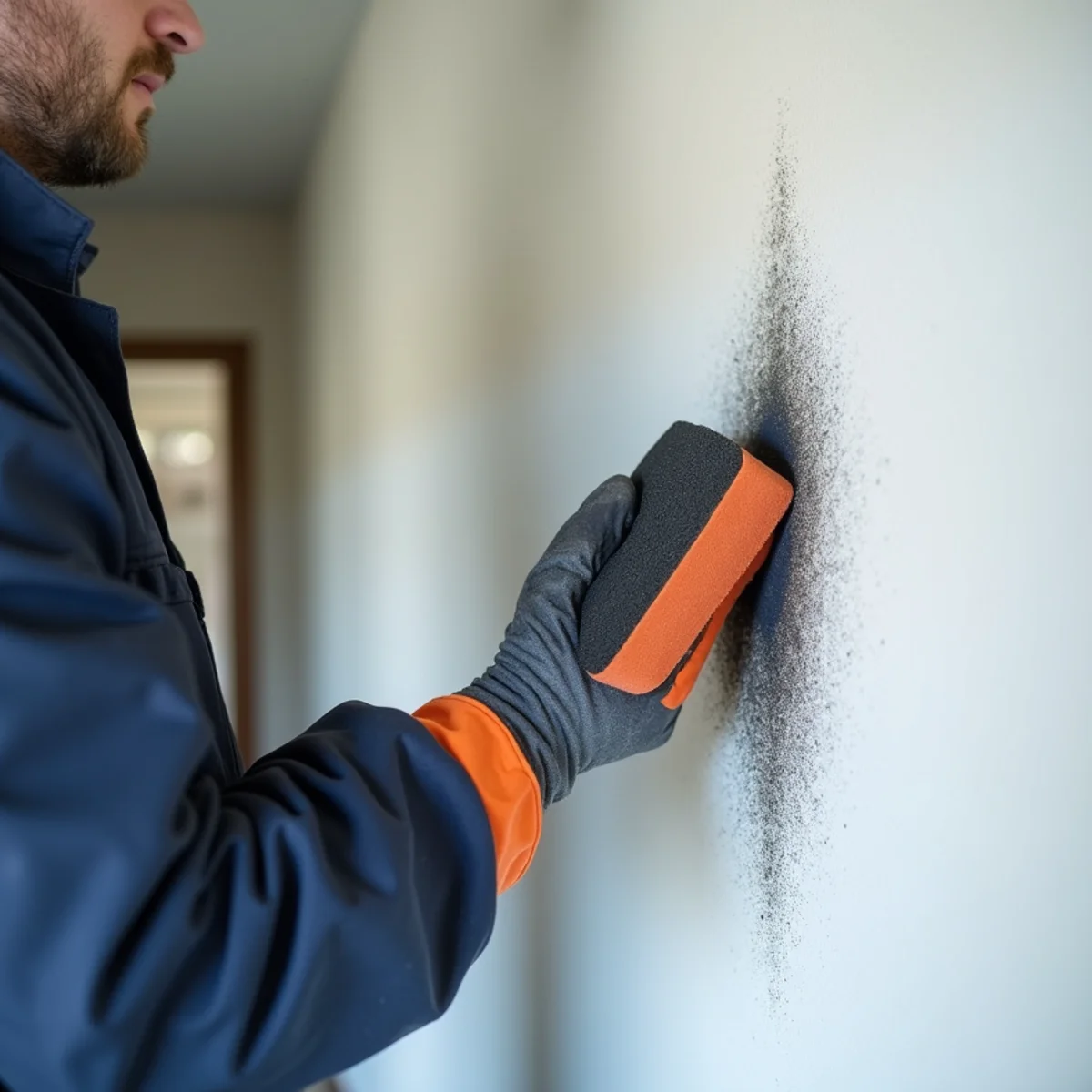
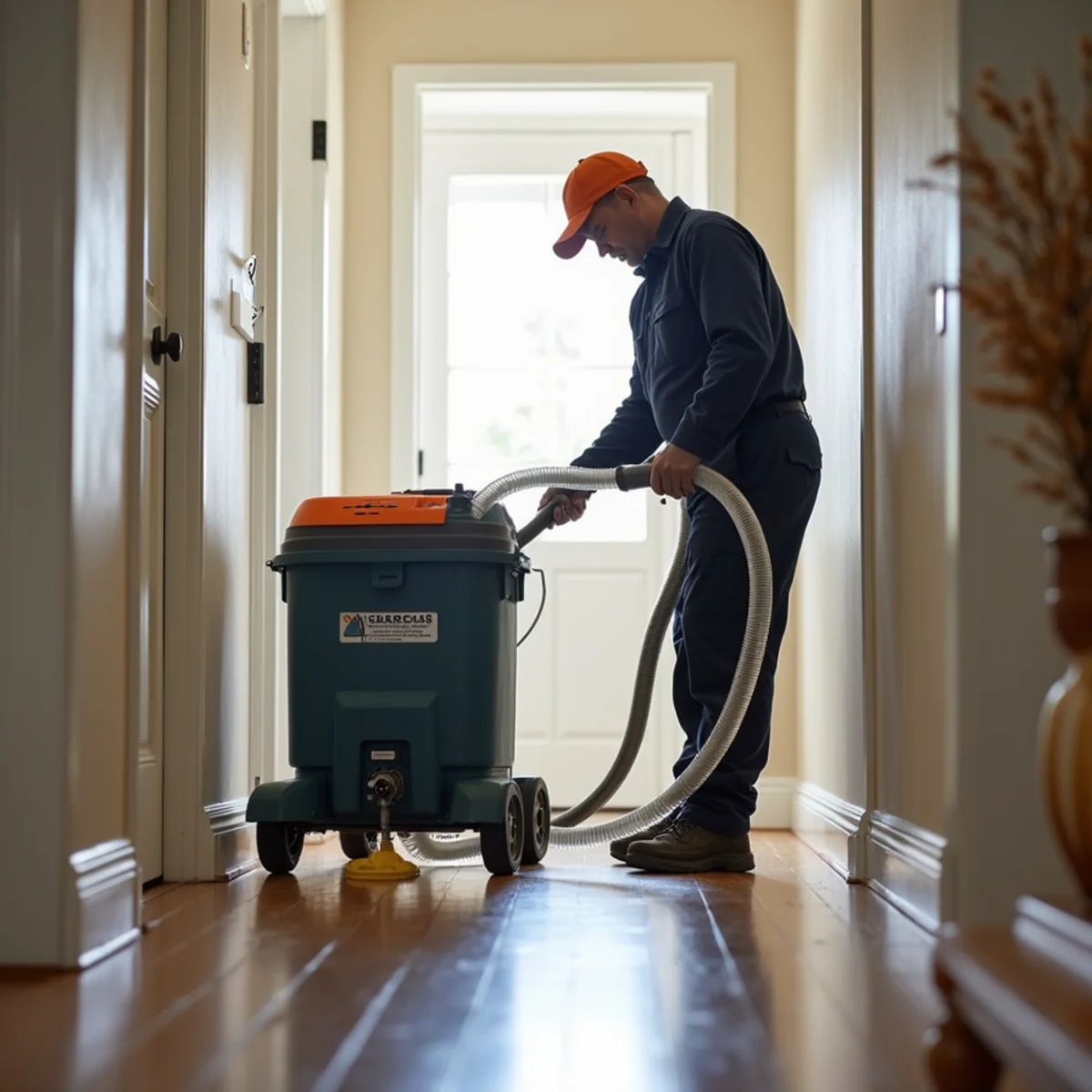
Dry chemical sponge soot removal, negative-air HEPA filtration, and structural decontamination preventing permanent acid etching.
Odor Removal Services
Molecular thermal fogging, hydroxyl oxidation, and ozone deodorization penetrating deep into wall studs and subfloors.
Contents Restoration
Complete pack-out, ultrasonic sanitization, climate-controlled storage, and detailed insurance inventory photo logs.
Fire Damage Reconstruction
From charred stud replacement and code-compliant framing to drywall rebuild, trim carpentry, and final paint finish.
24/7 Emergency Fire Response
Immediate board-up, roof weather tarping, and high-volume firefighting water extraction dispatched day or night from Alsip.
Active Smoke or Fire Emergency in Alsip? Call Our Response Team
We arrive equipped with commercial HEPA air scrubbers, dry soot sponges, moisture extractors, and board-up lumber. Open 24/7/365.
Fire Damage Restoration Service in Alsip, IL | 24/7 Emergency Service & Insurance Help
Professional fire damage restoration service in Alsip, IL. Our 24/7 emergency crews at 4811 W 123rd St deliver rapid fire damage cleanup, soot removal, smoke odor deodorization, and complete reconstruction across Cook County. Call (407) 956-1738.
What to Do in the First 30 Minutes After Fire-Department Clearance
Confirm Clearance and Keep People Out of Unsafe Areas
- Confirm with the fire department or another authorized official that entry is permitted.
- Ask whether gas, electricity or water must remain shut off.
- Keep the HVAC system off until soot, smoke and duct contamination are assessed.
- Request temporary protection for broken windows, doors, roof areas and other openings.
- Photograph rooms, ceilings, contents, soot, water marks and openings from a safe location.
- Save receipts for emergency services, protective materials, lodging, lock changes and approved purchases.
- Call your insurance carrier and record the claim number when available.
Protect the Property Without Destroying Evidence
- Step 1 — Fire-Department Clearance: Verify that Alsip fire officials have officially declared the structure safe for entry before crossing perimeter tape.
- Step 2 — Utility Isolation: Verify electricity, gas, and water are shut off. Do not flip breakers in wet or soot-contaminated rooms.
- Step 3 — Keep HVAC Off: Keep heating blowers and air conditioning powered down to prevent soot migration through ductwork into unaffected rooms.
- Step 4 — Photographic Inventory: Capture wide-angle room photos, ceiling stains, serial numbers, and water marks before moving any contents.
- Step 5 — Request Emergency Board-Up: Secure broken windows, roof penetrations, and exterior doors against Cook County winter weather and intrusion.
- Step 6 — Preserve Evidence & Receipts: Retain emergency lodging receipts, security locks, and mitigation invoices for insurance claim reimbursement.
What to Tell the Restoration Coordinator

Alsip Fire and Smoke Damage Restoration: What the Service Includes
The First Inspection and Damage Map
- Confirmed conditions
- Conditions that need testing
- Areas that cannot be evaluated until debris or unsafe materials are addressed
- Emergency stabilization
- Cleaning and contents work
- Reconstruction
- Walk the property with the owner or authorized representative.
- Record access, safety, occupancy and utility conditions.
- Photograph rooms, surfaces, contents, mechanical equipment and water impact.
- Map fire, soot, odor, water and HVAC exposure by room and building system.
- Produce a written scope that separates emergency work from later cleaning and rebuilding.
Board-Up, Water Removal and Structural Drying
- Moisture readings
- A list of affected assemblies
- Equipment locations
- Monitoring records
- Materials removed, dried or left in place
- A written explanation for additional work
Soot Cleaning, Odor Control and Reconstruction
How Restoration Professionals Remove Soot and Smoke Odor
- Cleaning: Remove residue from salvageable surfaces with methods suited to the material.
- Contents: Pack, photograph, clean, store, return, replace or refer contents for specialty treatment.
- HVAC: Inspect the system and return paths before restarting or cleaning the equipment.
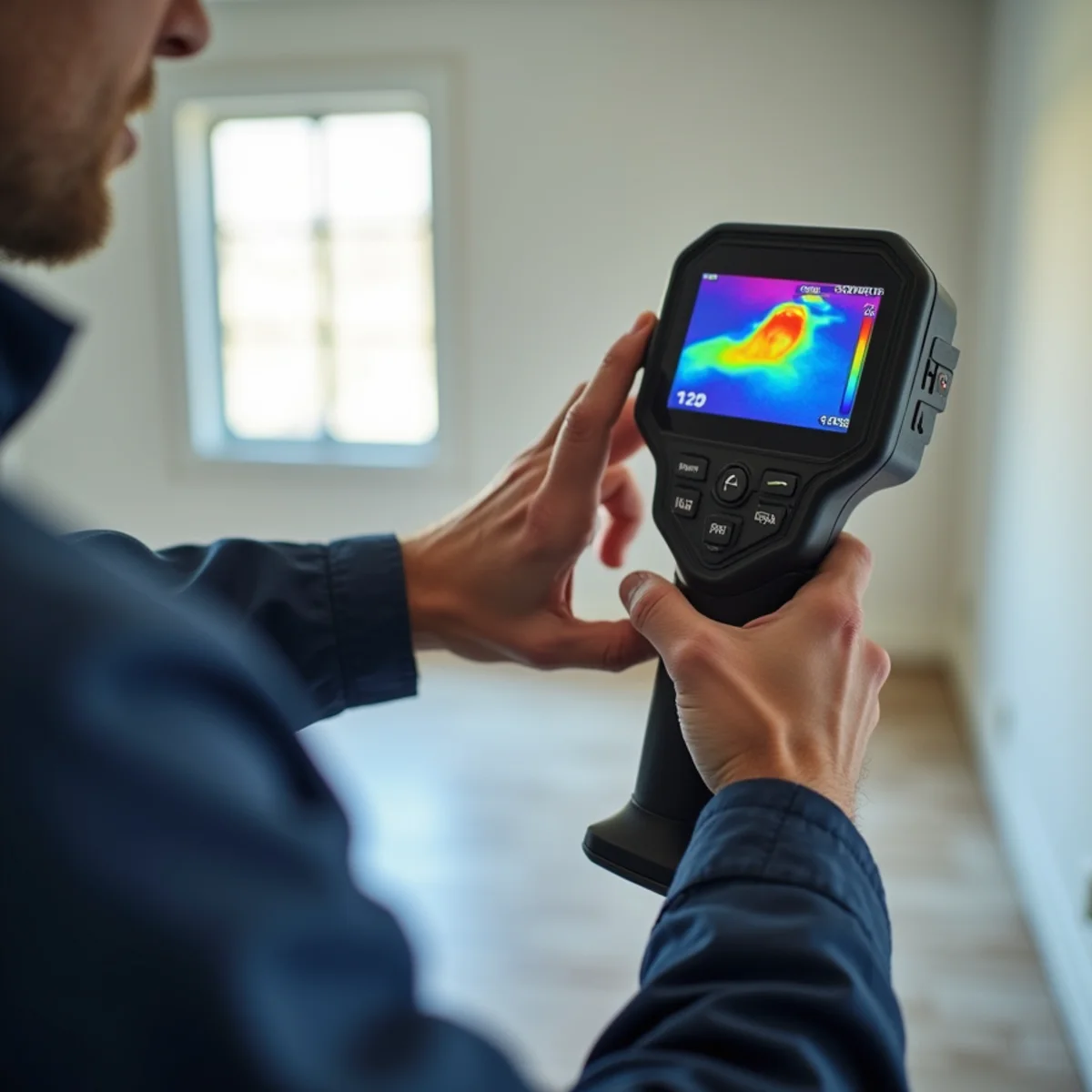
- Testing: Evaluate hidden cavities, moisture, odor and material condition when visual inspection is insufficient.
- Rebuild: Coordinate drywall, framing, flooring, cabinetry, paint, electrical and HVAC work with qualified trades where required.
Fire Causes, Warning Signs and the Safest Next Call
Fast-Scan Cause and Response Table
| Cause | Warning Signs | Immediate Response | Likely Restoration Need |
|---|---|---|---|
| Kitchen fire | Grease or appliance residue, smoke staining around cabinets, hood or adjacent rooms | Wait for clearance; keep HVAC off; photograph appliances, cabinets, ceilings and contents | Soot and odor cleaning, contents evaluation, possible cabinet, drywall, electrical or reconstruction work |
| Electrical fire | Burned receptacle, panel or wiring; localized charring with smoke beyond the origin | Do not restore power; isolate the area and request qualified electrical evaluation | Soot cleaning, electrical repair, smoke migration assessment and possible selective demolition |
| Furnace or heating equipment | Smoke near mechanical equipment, duct odor, residue in multiple rooms | Keep HVAC off until assessed; do not operate the furnace to test it | Mechanical and duct assessment, HVAC cleaning decision, soot and odor treatment, possible rebuild |
| Chimney or fireplace | Soot around the hearth, flue or upper walls; odor after extinguishment | Wait for clearance and qualified chimney or structural evaluation before use | Soot removal, masonry or flue assessment, odor treatment and repair coordination |
| Neighboring room or multi-unit migration | Odor or fine residue outside the burned room; shared-wall or corridor exposure | Document every affected room and keep shared HVAC paths off until assessed | Expanded smoke mapping, contents cleaning, HVAC review and coordinated access |
Why Can a Small Fire Still Require Professional Restoration?
- Visible soot is not a reliable boundary for smoke contamination.
- A room without flame damage can still need odor, contents or HVAC evaluation.
- Water under flooring or inside walls can continue damaging materials.
- Demolition should follow an inspection and documented scope when inspection is possible.
Smoke Odor and HVAC Contamination
- HVAC equipment
- Supply and return paths
- Insulation
- Porous drywall
- Hidden cavities
- Smoke residue outside the visible fire area
Local Alsip Risks: Water, Winter Heating, Housing and Permits
Why Fire Losses Become Water Losses
- Map water marks and moisture readings room by room.
- Protect unaffected contents from soot and water movement.
- Coordinate access for units, tenants and commercial areas.
- Separate extraction and structural drying from reconstruction.
Winter Heating and Equipment-Related Concerns
When Restoration May Trigger Local Review
- Ask whether the work is cleaning, repair, reconstruction or a combination.
- Request the applicable permit and inspection path from the Village of Alsip Building Department.
- Confirm who handles permit submissions and specialty-trade compliance.
- Keep the approved scope and change orders aligned with the permit description.
- Do not treat an insurance estimate as a village-approved construction plan.
Insurance Documentation and Claims Support After a Fire
Document Before Cleaning or Discarding
- Room-wide photos and close-ups of damaged structural areas
- Video walkthrough with spoken room names and visible conditions
- Contents list with description, brand, model or serial number when available
- Photos of soot patterns, smoke indicators, water marks and broken openings
- Receipts for board-up, emergency services, storage, lodging and approved purchases
- Names, dates and summaries for insurer, adjuster and contractor conversations
Build the Claim Scope in Milestones
- Open the claim and record the claim number and adjuster contact.
- Share safe photos, videos, emergency invoices and the initial contents inventory.
- Review the written stabilization scope and identify work that must begin immediately.
- Compare the damage map with the adjuster's inspection and identify missing areas.
- Approve cleaning, contents and reconstruction milestones after scope and payment responsibilities are understood.
- Record changes in writing when hidden damage, testing or permits alter the scope.
What Information Should a Written Fire Restoration Estimate Separate?
- Emergency board-up and temporary protection
- Water extraction, equipment and structural drying
- Soot cleaning and smoke-odor treatment
- HVAC assessment or qualified HVAC work
- Contents packing, cleaning, storage and return
- Selective demolition and debris disposal
- Reconstruction, permits, inspections and specialty trades
- Warranty, exclusions, deductible and payment milestones
Fire Restoration Cost Factors in Alsip
| Restoration Scope | Regional Market Benchmark | Scope Inclusions |
|---|---|---|
| Average Overall Fire Loss | $51,142 (Range: $17,250 – $96,330) | Combined emergency stabilization, structural drying, soot removal, and reconstruction across Chicagoland. |
| Minor Contained Fire (1,500 sq ft) | $12,040 – $15,140 | Surface soot removal, chemical sponge wiping, HEPA air scrubbing, and localized room deodorization. |
| Soot Removal & Decontamination | $2,080 – $6,220 | Vulcanized dry chemical sponges, wall washing, ceiling decontamination, and HVAC return cleaning. |
| Smoke Odor Elimination | $250 – $4,500+ | Molecular thermal fogging, hydroxyl oxidation generators, and multi-stage ozone chamber deodorization. |
| Professional Labor & Materials | $4.15 – $7.30 per sq ft | IICRC-certified remediation technicians, specialized containment barriers, and negative-air scrubbers. |
| Kitchen Fire Rebuild Scenario | $45,000 – $120,000 | Cabinetry replacement, subfloor stabilization, drywall rebuild, electrical rewiring, and appliance venting. |
| Down-to-Studs Structural Rebuild | $80 – $160 per sq ft | Framing replacement, insulation repacking, rough-in trades, code upgrades, and finish carpentry. |
How Much Does Fire Damage Restoration Cost in Alsip, IL?
What Moves the Estimate Up or Down?
- Fire, smoke, soot and extinguishing-water severity
- Square footage, ceiling height, rooms and building type
- Porous contents, artwork, heirlooms, electronics and textile volume
- HVAC, insulation, ductwork and hidden-cavity contamination
- Board-up, storage, disposal, testing, permits and specialty trades
- Access, tenant coordination, commercial interruption and reconstruction
How to Compare Estimates
Alsip Service Area and Local Restoration Coverage
Primary Alsip Coverage
- Alsip and Chippewa Ridge
- Properties near the Cal-Sag Channel and Calumet-Sag Trail
- Residential, commercial and multi-unit buildings along Pulaski Road and 123rd Street
- Access routes near I-294 and surrounding South Suburban corridors
Nearby Communities
The Measurable Emergency Response Promise
Why Choose a Fire Restoration Company You Can Verify
Credentials, Insurance and Local Accountability
- Applicable Illinois license or registration number
- Current general liability and workers' compensation information where applicable
- Bonding information when required
- IICRC S700 or S500 training and certification details
- Named project contact and escalation path
- Permit and specialty-trade responsibilities
Dated Case Evidence and Contents Expertise
- Before-and-after images with dates and permission
- Room or building type and broad neighborhood
- Documented soot, smoke, water, contents or HVAC conditions
- Items cleaned, stored, replaced or rebuilt
- Unresolved items or limitations stated plainly
A Clear Promise About Workmanship and Claims
Can I Enter My Alsip Property After the Fire Department Leaves?
Should I Turn On the Furnace or HVAC to Remove the Smoke Smell?
How Soon Should I Board Up Broken Windows or Doors?
What Does Fire Damage Restoration in Alsip Include?
What Should I Photograph for My Insurance Claim?
Can Furniture, Clothing and Personal Belongings Be Restored After Smoke Damage?

Will Fire Repairs Require an Alsip Permit or Zoning Review?
Can the Restoration Company Work With My Insurance Adjuster?
How Do I Compare Fire Restoration Companies?
How Long Does Fire and Smoke Damage Restoration Take?
Where Can Alsip Homeowners Get Emergency Fire Damage Restoration?
Where Does Smoke Residue Hide After a House Fire?
When Should I Contact My Insurance Company After a Fire?
When Can Restoration Work Begin After Fire Department Clearance?
Which Fire Damage Restoration Credentials Should Alsip Property Owners Verify?
Does Homeowners Insurance Cover Fire, Smoke and Extinguishing-Water Damage?
Is Fire Damage Restoration Required if the Fire Was Contained to One Room?
Call for Fire Damage Restoration in Alsip Today
- Confirm fire-department clearance and tell the coordinator whether utilities and HVAC are off.
- Share the Alsip address, building type, fire origin if known, water involvement and access restrictions.
- Ask for the first-visit scope, temporary-protection plan and documentation process.
- Receive written next steps separating stabilization, cleaning, contents, drying and reconstruction.
Rapid Response Across Cook County & The South Suburbs
Operating directly from Alsip, our emergency crews reach surrounding villages and cities in approximately 15 to 30 minutes.
Fire Damage Restoration FAQs — Alsip, IL
Direct answers from our certified restoration team on timelines, insurance billing, and safety procedures.
No, enter only after the fire department or another authorized official gives clearance. Follow utility, structural and access restrictions. Clearance does not remove soot, water, electrical, ceiling or HVAC hazards, so keep people out of unsafe areas and arrange a professional inspection.
Sears Park Smoke Damage Experts Headquarters
Operating directly adjacent to Sears Park at 4811 W 123rd St #6 in Alsip, Illinois. Rooted in the South Suburbs since 2023, our certified technicians mobilize 24/7/365 with negative air scrubbers, vulcanized dry soot sponges, and direct insurance billing.
Verified Google Customer Feedback
Read real reviews from Alsip property owners who trusted our fire and smoke restoration crews.
“The authenticity of the building was further enhanced by the restoration team's skill in handling delicate components and preserving ancient finishes.”
“This service offered exceptional post-restoration assistance by providing maintenance suggestions to maintain the building's long-term preservation.”
“The fire damage restoration service's commitment to continuous study and documentation enhanced the legitimacy of their repair choices, making them a reliable expert.”
“The building's surroundings were also carefully restored by the restoration crew, ensuring a thorough renovation of the entire area.”
Why Alsip Property Owners Trust Sears Park Smoke Damage Experts
Our customers specifically cite our delicacy in preserving architectural finishes, thorough ongoing preservation guidance, rigorous insurance documentation, and complete site cleanup.