
Why Does Smoke Odor Linger in Alsip Homes After a Fire?

Smoke odor lingers because microscopic combustion particles (0.1–2.5 microns) adsorb deep into porous building materials—including drywall, timber studs, attic insulation, and subflooring—where they bond at a molecular level. Whenever indoor temperature or humidity rises, these trapped VOCs re-expand and off-gas into living areas. Call Sears Park Smoke Damage Experts at (407) 956-1738 for molecular deodorization.
Why Smoke Odors Recur & How Professionals Stop Them
- Molecular Adsorption: Smoke molecules penetrate gypsum drywall cores and open-cell wood grain under fire pressure.
- Thermal Expansion Cycles: Trapped odor molecules expand and off-gas whenever indoor heating or summer humidity increases.
- Uncleaned HVAC Cavities: Soot films lining return ducts and air handlers re-contaminate rooms whenever blowers run.
- Surface Sealant Failure: Ordinary latex paint breathes, allowing volatile sulfur and nitrogen compounds to bleed through.
- Vapor-Barrier Primers: Applying white pigmented shellac primer (Zinsser B-I-N) forms an impermeable permanent seal.
- Molecular Oxidation: Commercial hydroxyl generators and thermal foggers dismantle odor compounds chemically.
“Many homeowners in Alsip and Oak Lawn tell us their home smelled completely fine in the dead of winter after a fire, but the moment Chicago's humid July weather arrived, the pungent smoke smell returned with vengeance. That seasonal flare-up occurs because porous drywall and wood framing act like giant sponges: as relative humidity climbs above 55%, moisture molecules displace trapped combustion VOCs, pushing them back into your breathing air. True deodorization requires molecular neutralization, not surface masking.”
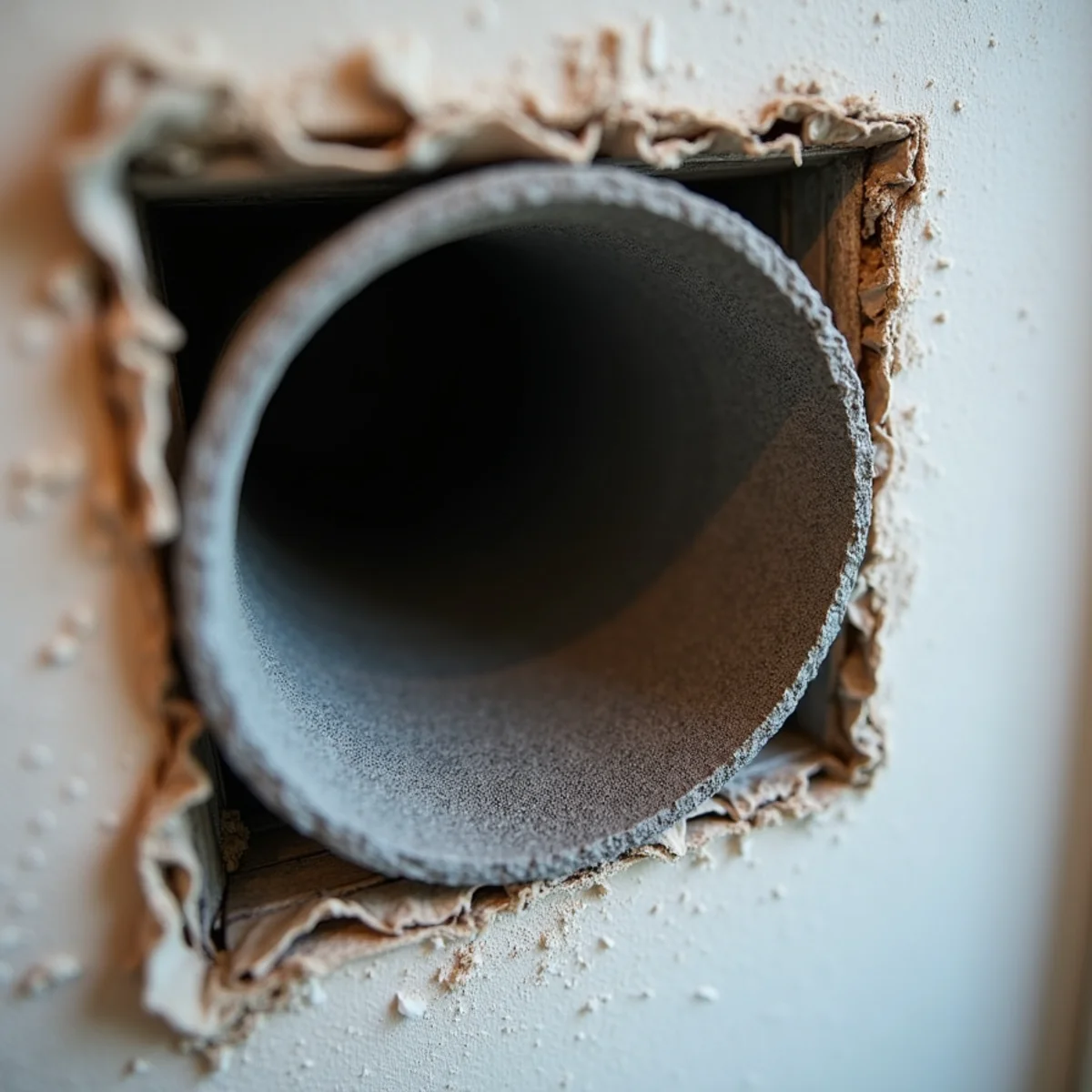
The Science of Adsorption: How Smoke Impregnates Porous Materials
To understand why smoke odors persist for months or even years after a fire, one must distinguish between **absorption** and **adsorption**. Absorption occurs when a liquid is drawn mechanically into the volume of a sponge. Adsorption, by contrast, is a physical-chemical phenomenon in which gas molecules, ultrafine particulates, and volatile organic compounds (VOCs) adhere directly to the microscopic internal surface areas of solid materials.
Residential building materials—especially gypsum drywall, acoustic ceiling tiles, blown cellulose insulation, and softwood framing lumber—are extraordinarily porous. Under a microscope, gypsum paper and plaster look like vast honeycombs of tiny pores ranging from 10 to 50 nanometers wide. Smoke particulates produced during synthetic or wood combustion measure between 0.1 and 2.5 microns, with gaseous odor molecules even smaller.
During a structure fire, thermal expansion generates intense positive air pressure. This pressure acts like an industrial piston, forcefully driving hot gaseous combustion byproducts deep into the microscopic pores of drywall sheets, floorboards, and wall cavities. Once the environment cools, the pores contract, effectively trapping millions of sulfurous, nitrogenous, and aromatic hydrocarbon molecules inside your structural framing.
The Humidity Trigger: Why Odors Return Months Later in Chicago Weather
Homeowners in Cook County frequently experience a frustrating phenomenon: they clean their property after a minor winter fire, the home smells acceptable for several months, and then, during the first humid heatwave in June or July, an intense, nauseating smoke smell suddenly returns.
This seasonal resurgence is driven by the **Equilibrium Moisture Content (EMC)** of wood and gypsum. Northeastern Illinois experiences dramatic seasonal climatic swings—from bone-dry winter indoor air (15% to 25% relative humidity) to humid summer conditions exceeding 70% relative humidity. When ambient humidity climbs, dry porous drywall and framing lumber absorb airborne water vapor.
Water molecules possess strong hydrogen bonds that engage in **competitive displacement**: as moisture penetrates the gypsum matrix, it dislodges the less-polar trapped volatile organic compounds (including polycyclic aromatic hydrocarbons and phenolic tars). These liberated chemical compounds vaporize and off-gas directly into your living spaces. Scented air fresheners, consumer spray deodorizers, and open windows only mask the symptom temporarily. Permanent elimination requires [smoke odor deodorization](/smoke-odor-deodorization/) that alters the molecular structure of the trapped compounds.
The Forced-Air Trap: How HVAC Duct Systems Re-Contaminate Living Spaces
In Alsip and neighboring communities like [Oak Lawn](/service-areas/oak-lawn-il/) and [Worth](/service-areas/worth-il/), forced-air furnace and central air conditioning networks serve as the primary distribution highway for persistent odor.
During a fire or puffback incident, thermal convective currents draw dense smoke directly into cold-air return grilles. Because return ductwork is often constructed of bare sheet metal, unlined joist spaces, or porous fiberglass duct board, oily soot particles adhere immediately to interior surfaces. Furthermore, soot deposits coat the furnace blower wheel, air conditioning evaporator coil fins, and the interior heat exchanger.
Every time your thermostat calls for heat or cooling, air rushing across these soot-encrusted components vaporizes microscopic odor particles, circulating an invisible aerosol of acrid smoke into every bedroom and closet in the house. Remediation requires professional [HVAC fire damage cleaning](/fire-damage-restoration/hvac-cleaning/), incorporating rotary whip mechanical scrubbing under negative air pressure, coil chemical degreasing, and the application of an EPA-registered antimicrobial encapsulant lining to lock down porous fiberglass duct boards.
Why Painting Over Smoke Fails: Latex Permeability vs. Shellac Sealing
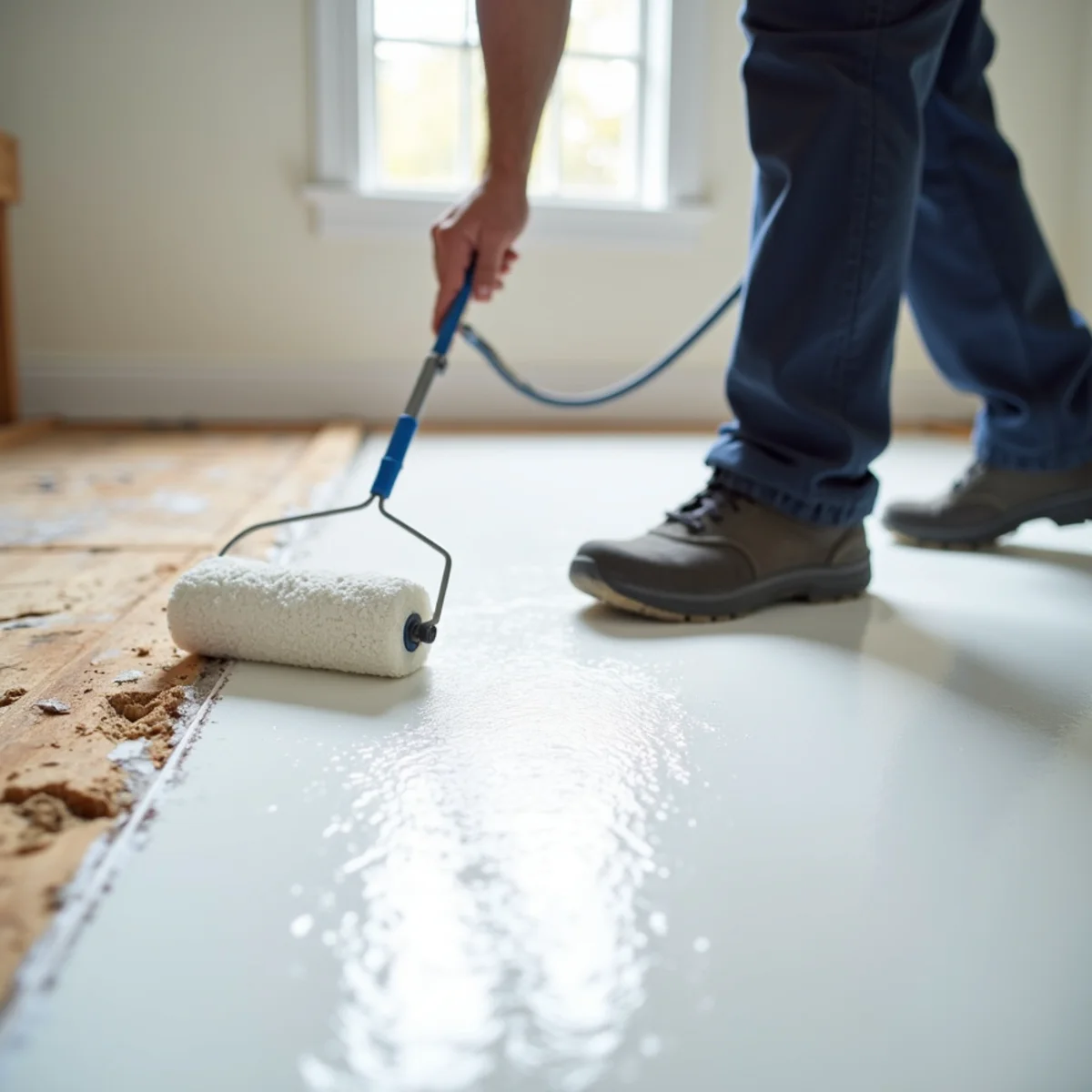
The single most common mistake made by DIY painters and general contractors after a fire is rolling standard latex paint or water-based primer directly over smoke-affected walls. Homeowners are dismayed when, four weeks later, yellow soot stains bleed through and the rooms smell like a bonfire.
Latex paint and water-based primers are vapor-permeable by design, carrying a "perm rating" between 3.0 and 6.0. This breathability allows moisture vapor and volatile gaseous odor molecules to pass unobstructed through the dried paint film. Furthermore, the water in latex paint re-hydrates dry soot, creating a permanent chemical bleed-through.
The gold standard in professional fire restoration is the application of a **pure white pigmented shellac primer** (such as Zinsser B-I-N). Formulated with natural shellac flakes dissolved in denatured alcohol, this specialized primer dries to an impermeable barrier with a perm rating of less than 0.1. It forms an airtight physical and chemical vapor lock that prevents trapped volatile compounds and staining resins from ever migrating into the room air.
The Two-Step Elimination Standard: Thermal Fogging & Hydroxyl Oxidation
To eliminate odors completely without demolishing entire homes down to the studs, Sears Park Smoke Damage Experts executes a scientifically validated two-stage molecular decontamination process:
* **Phase 1: Precision Thermal Fogging:** Thermal foggers heat specialized solvent-based odor counteractants into a dense, dry aerosol cloud with droplet sizes between 0.5 and 2.0 microns—matching the exact particulate size of the original smoke. This vapor cloud follows the identical thermal drafting pathways taken by the fire, penetrating into wall cavities, attic insulation, and floor joints to chemically pair with and neutralize trapped odor molecules at the core.
* **Phase 2: Commercial Hydroxyl Oxidation:** Our crews deploy industrial hydroxyl generators throughout the structure over 48 to 72 hours. Hydroxyls (OH radicals) are naturally occurring atmospheric cleansers that react with volatile organic compounds, breaking carbon-hydrogen molecular bonds and converting complex carcinogenic toxins into harmless trace carbon dioxide and water vapor. Unlike toxic ozone, hydroxyl technology is safe for occupied environments and does not damage sensitive rubber or electronics.
Explore our complete range of certified [odor removal services](/odor-removal-services/) or call Sears Park Smoke Damage Experts at (407) 956-1738 for permanent peace of mind.
Need Professional Fire Restoration in Alsip?
Our 24/7 emergency response crews mobilize immediately with HEPA scrubbers, thermal foggers, and direct insurance billing.