
Types of Smoke Damage: Wet, Dry, Protein & Fuel Oil Soot
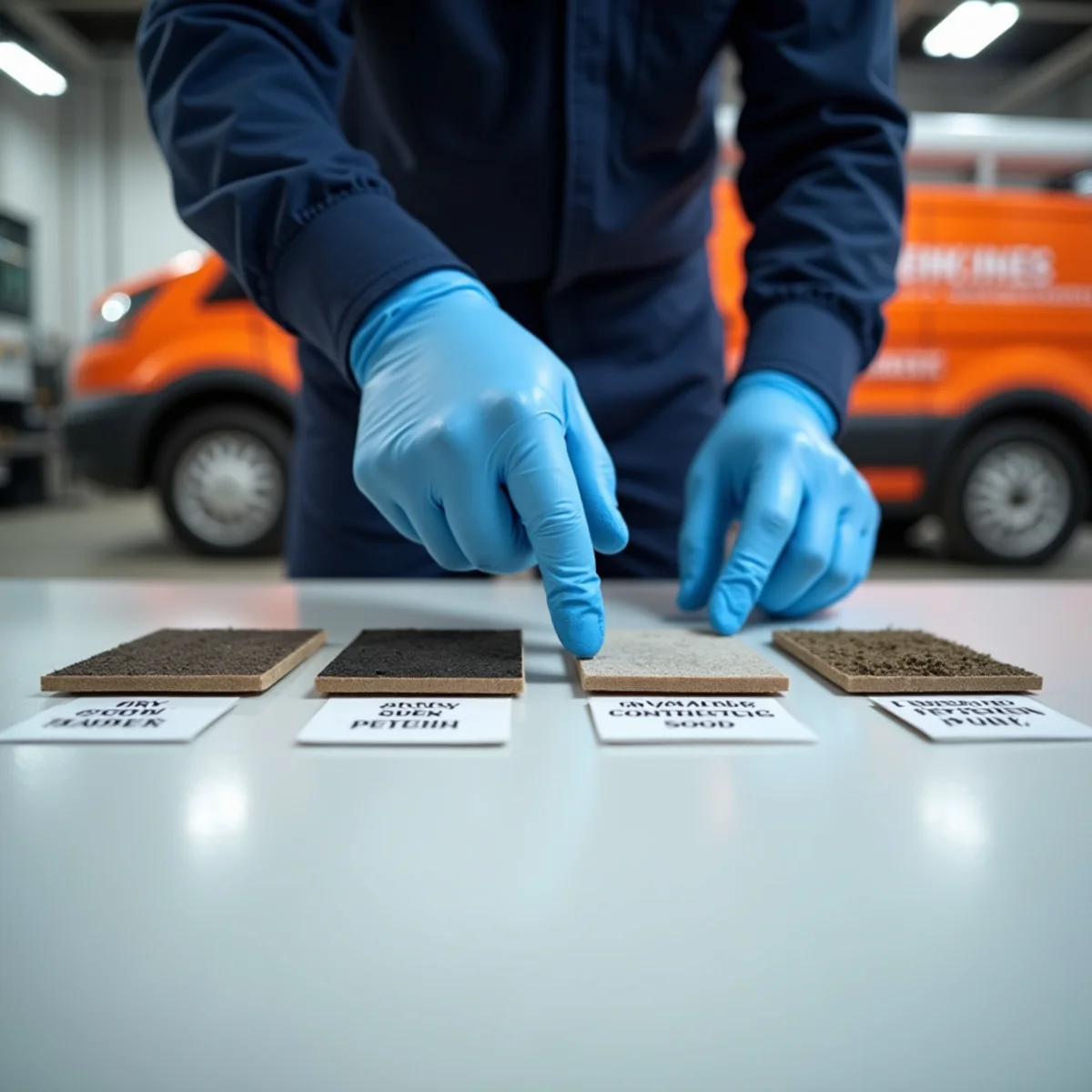
Smoke damage falls into four primary chemical classifications: dry smoke (powdery, fast-burning wood/paper), wet smoke (sticky, smoldering plastics/rubber), protein residue (greasy, pungent, virtually invisible kitchen grease), and petroleum/fuel oil soot (furnace puffbacks). Each demands distinct chemical solvents, neutralizers, and extraction techniques. Call Sears Park Smoke Damage Experts at (407) 956-1738 for certified soot analysis.
Characteristics of the Four Major Smoke Residues
- Dry Smoke: Fine, non-greasy powdery carbon from fast-burning natural materials; easily HEPA vacuumed and dry sponged.
- Wet Smoke: Thick, black, pungent, sticky synthetic residue from low-heat smoldering; requires multi-stage alkaline washing.
- Protein Residue: Yellowish-amber greasy film from animal fats and cooking oils; highly pungent, bakes into paint and varnish.
- Fuel Oil Soot: Dense, greasy, oily petroleum carbon blasted from furnace puffbacks; coats ductwork and walls throughout the home.
- Corrosive Acid Load: Synthetic and petroleum soot contain sulfuric and hydrochloric acid compounds that pit metals within 48 hours.
- Deodorization Needs: Protein and wet smoke require molecular oxidation via hydroxyl generators and thermal fogging.
“In our restoration experience across Alsip, Crestwood, and Blue Island, the single most critical diagnostic step is identifying soot chemistry within five minutes of arrival. Using dry cleaning sponges on sticky wet plastic smoke will smear it instantly, while applying water-based degreasers to dry wood soot dissolves paint binders unnecessarily. Testing the residue ensures we apply the exact chemical formulation to preserve your surfaces.”
Dry Smoke Damage: High-Heat Wood, Paper & Natural Cellulose Fires
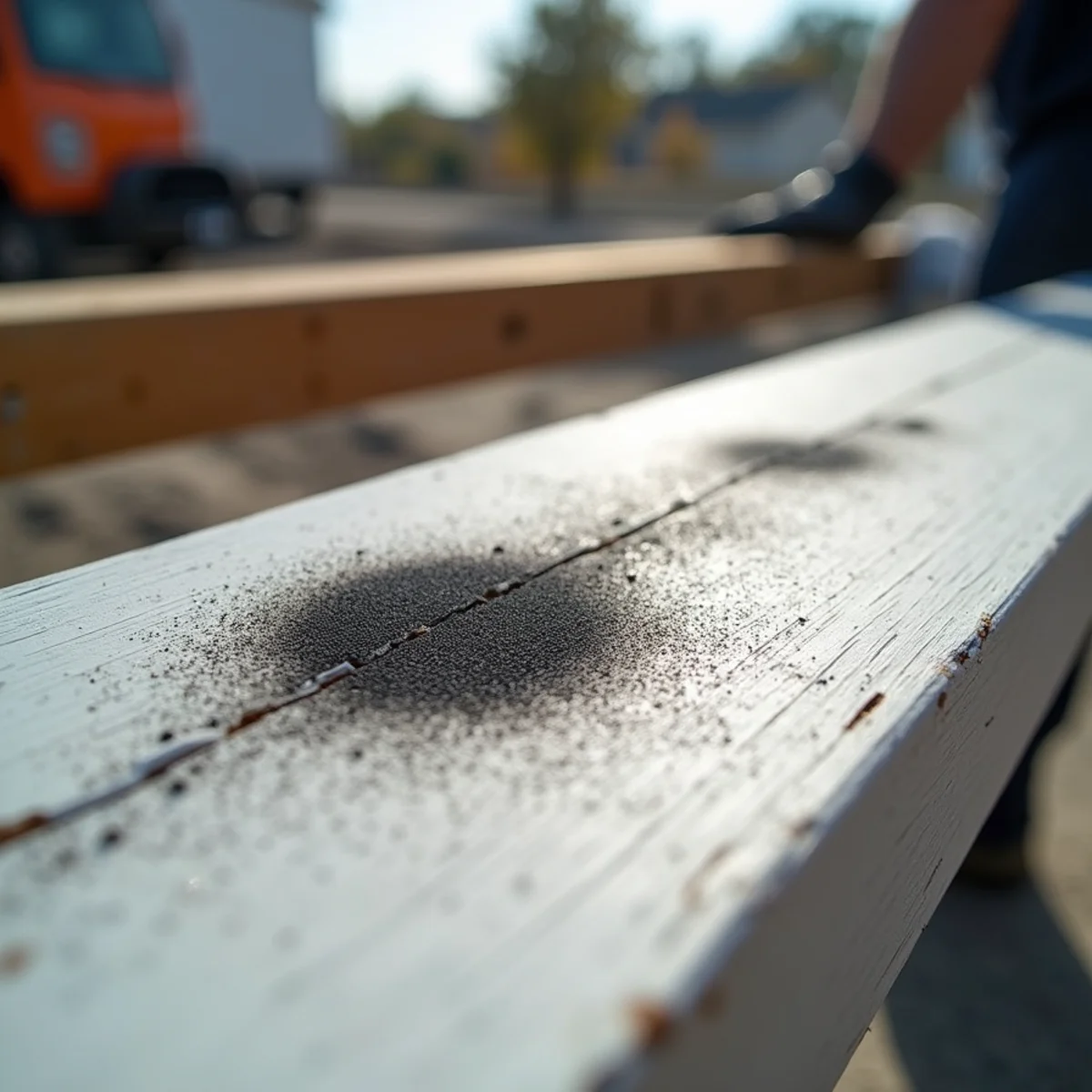
When a fast-moving, high-temperature fire breaks out fueled by natural combustibles—such as structural dimensional lumber, wood paneling, cardboard boxes, or cotton draperies—it produces **dry smoke**. Because the combustion process operates with ample oxygen and high heat, organic fuel burns relatively completely, leaving behind a fine, lightweight, powdery carbon particulate.
Dry smoke residue does not feel greasy to the touch and tends to settle lightly across horizontal and vertical surfaces like fine talcum powder. While it can produce significant discoloration, it is generally the easiest type of smoke residue to remediate—provided technicians do not introduce moisture prematurely.
In standard IICRC S700 protocols, dry soot is lifted using natural vulcanized rubber dry chemical sponges. These porous sponges draw dry soot out of paint pores through capillary action without water. Technicians then follow with HEPA vacuuming using soft horsehair brush attachments. Only after dry particulate is thoroughly removed can light alkaline wiping take place. Introducing water-based cleaners directly to dry wood smoke dissolves soot into the paint binder, turning an easily cleanable surface into a permanent stain.
Wet Smoke Damage: Low-Heat, Oxygen-Starved Smoldering Synthetic Polymers
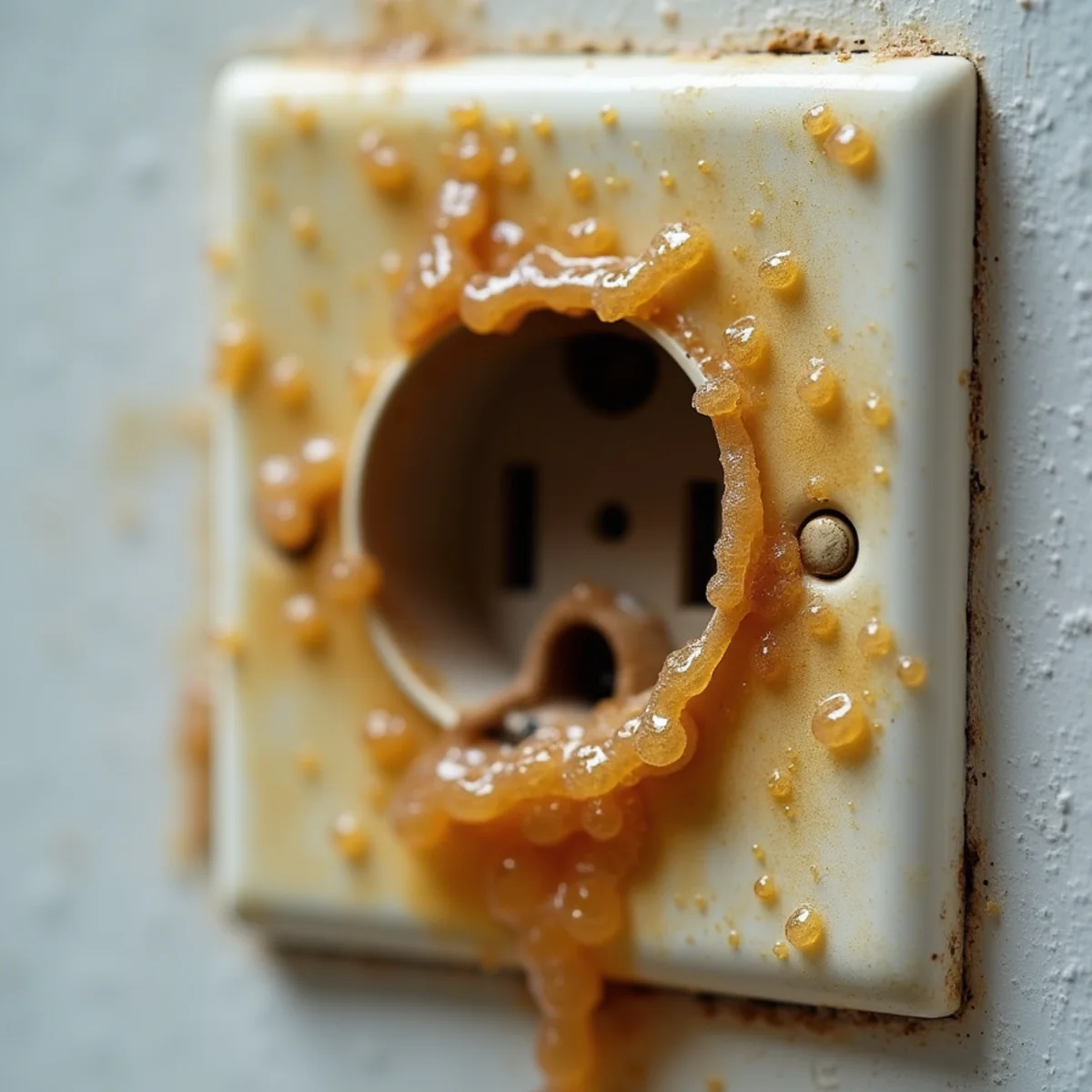
In stark contrast to dry smoke, **wet smoke** is generated by low-temperature, oxygen-starved, smoldering combustion. Modern residential homes are filled with synthetic hydrocarbon materials: polyurethane couch foam, synthetic polyester carpets, polyvinyl chloride (PVC) pipes, and plastic electronics. When these smolder without open flames, they generate thick, oily, suffocating black smoke.
Wet smoke residue has a tar-like, sticky consistency and emits an intensely pungent, chemical odor that burns the nostrils. It adheres tenaciously to every surface it contacts. A signature visual hallmark of wet smoke is the formation of **"soot tags"**—long, black, stringy web-like formations hanging from ceiling corners and crown moldings. Homeowners often mistake these for charred spiderwebs, but they are actually synthetic soot particles that have bonded along charged ionization lines in the air currents.
Cleaning wet smoke requires advanced restoration chemistry. Dry sponges alone will instantly clog and drag black smears across the wall. Our certified technicians apply specialized alkaline emulsifiers and industrial degreasers, working meticulously from bottom to top with multiple microfiber rinse cycles. Explore our complete approach to [smoke and soot removal](/smoke-and-soot-removal/).
Protein Smoke Damage: Kitchen Grease Fires and Burnt Animal Fats
One of the most deceptive and challenging forms of contamination encountered by fire restoration specialists is **protein smoke residue**. Produced when meat, poultry, vegetable oils, or animal fats scorch or combust on kitchen stovetops, protein smoke does not leave the heavy black streaks associated with typical house fires.
Instead, protein residue leaves a thin, yellowish-amber, nearly invisible film across walls, countertops, and ceilings. Homeowners are often shocked when insurance adjusters or inspectors explain the severity of their loss, because the house may look relatively clean at a casual glance. However, protein smoke produces an overpowering, sickeningly sweet burned-meat odor that permeates every porous material in the home.
Furthermore, protein residue behaves like an industrial varnish: as it cools, it polymerizes and chemically bakes into kitchen cabinets, wallpaper, and painted drywall. Removing it requires specialized enzymatic cleaners and concentrated degreasing neutralizers capable of dissolving biological lipids without stripping underlying wood stains. Learn more about our targeted services for [kitchen fire damage restoration](/fire-damage-restoration/kitchen-fire-damage/).
Fuel Oil & Petroleum Soot: Heating System Puffbacks and Mechanical Failures
A distinct category of smoke damage that peaks during late autumn and winter across Alsip, [Crestwood](/service-areas/crestwood-il/), and [Blue Island](/service-areas/blue-island-il/) is **fuel oil and petroleum soot**, commonly caused by furnace puffbacks. A puffback occurs when an oil-fired or gas-fired burner fails to ignite immediately, allowing atomized fuel vapor to accumulate inside the combustion chamber. When ignition finally sparks, the excess fuel detonates with explosive force.
This explosion blows an oily cloud of greasy petroleum carbon past the flue damper directly into the supply ductwork. Because the forced-air blower typically continues running, petroleum soot is distributed through every room in the home within minutes. Petroleum soot settles as a greasy, sticky film over clothing, furniture, walls, and ceiling fixtures.
Remediating furnace puffbacks requires a dual-track strategy: whole-house mechanical HVAC duct decontamination under negative air pressure, followed by intensive hand cleaning of walls and ceilings using petroleum-dissolving degreasers. Sears Park Smoke Damage Experts coordinates with heating contractors to ensure the appliance is certified safe before beginning [smoke damage repair and cleanup](/repair-and-cleanup/).
The Secondary Hazard: Acid Corrosion Timelines on Residential Fixtures
Regardless of whether your property suffers wet, dry, protein, or petroleum smoke, the chemical clock begins ticking the moment combustion begins. Combustion soot is inherently acidic, containing volatile organic acids, sulfurous compounds, and hydrochloric acid from burned plastics.
Here is how acid etching progresses across different residential substrates:
* **Within 0 to 4 Hours:** High-gloss synthetic surfaces begin yellowing. Light-colored fabrics and draperies develop permanent yellow stains. Porous plastics begin absorbing odors that resist surface wiping. * **Within 24 to 48 Hours:** Acidic residues begin chemically etching the glazed finish of ceramic and porcelain tile. Fiberglass tub surrounds and shower stalls suffer permanent discoloration. Polished brass, bronze, and copper hardware begin tarnishing and pitting. * **Within 48 to 72 Hours:** Untreated soot permanently etches glass window panes and mirrors, leaving cloudy streaks that cannot be polished away. Chrome bathroom faucets and stainless steel kitchen appliances experience irreversible microscopic pitting. Wood furniture finishes darken and blister. * **Beyond 72 Hours:** Soot bonds permanently with painted drywall and wood trim, requiring complete replacement rather than cleaning.
Calling Sears Park Smoke Damage Experts at (407) 956-1738 within hours of an incident halts this corrosive cycle and saves thousands in replacement expenses.
Need Professional Fire Restoration in Alsip?
Our 24/7 emergency response crews mobilize immediately with HEPA scrubbers, thermal foggers, and direct insurance billing.